

Juice cleansing has become increasingly popular, thanks to its numerous health benefits and its rising prominence in wellness documentaries, social media, and health-focused books. At Holistic Chef Academy, our goal is to guide you through a safe and effective guide on: How To Juice Cleanse Safely: 9 Top Tips
Index
Jump to:
Safety First
Juice cleansing has become increasingly popular, fuelled by wellness documentaries, social media, health books, and the growing interest in natural ways to reset eating habits.
At Holistic Chef Academy, we see juice cleansing as a short-term wellness tool - not a magic fix, crash diet, or replacement for a balanced lifestyle. When done properly, a short juice cleanse can help you increase your intake of fruit and vegetables, improve hydration, give your digestion a lighter workload, and encourage healthier food choices.
The key is doing it safely. Juice cleanses are not suitable for everyone, and they should never be extreme. The aim is to nourish the body, not punish it.
What Can a Juice Cleanse Support?
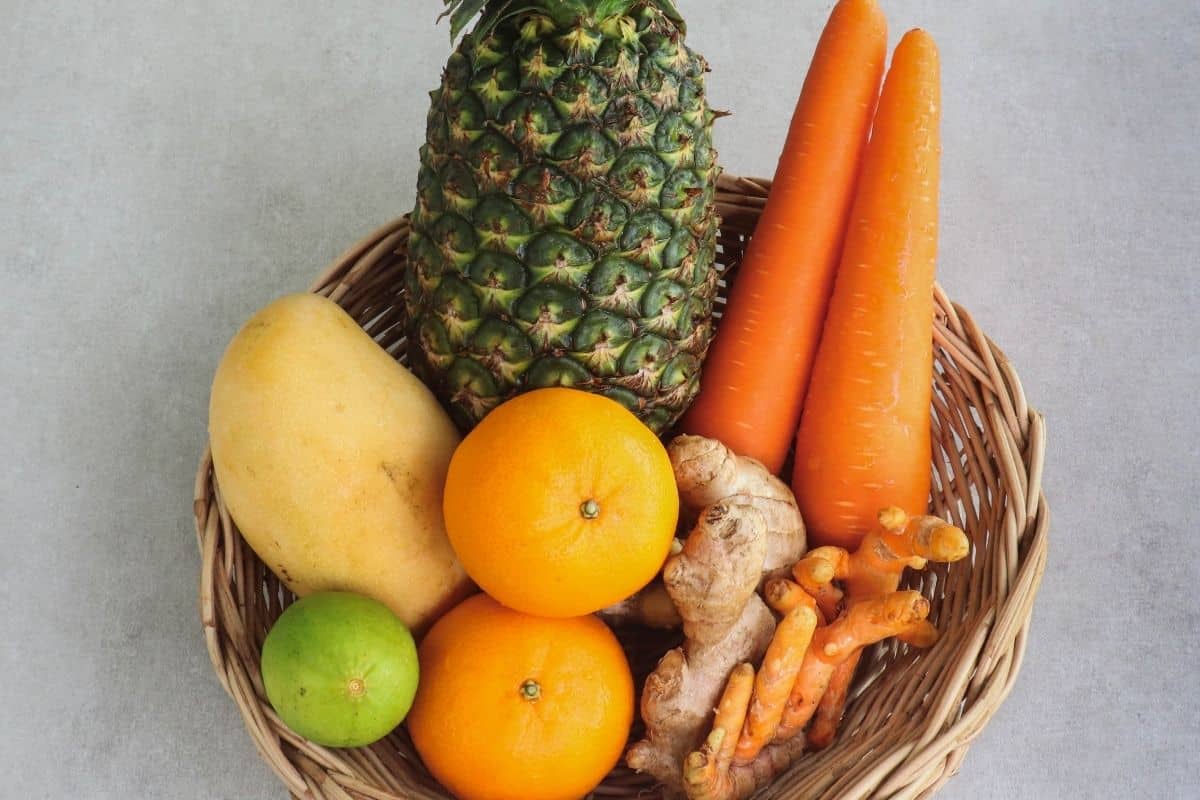
A short, well-planned juice cleanse may help you:
- Increase your intake of vitamins, minerals, and antioxidants
- Improve hydration
- Give your digestive system a temporary break from heavy meals
- Encourage healthier eating habits
- Support short-term weight management
- Help you become more aware of how different foods make you feel
- Increase your fruit and vegetable intake
- Support overall wellness as part of a balanced lifestyle
It is important to note that your body already has its own detoxification systems, mainly through the liver, kidneys, digestive system, lungs, and skin. A juice cleanse should support these natural processes, not replace them or claim to "flush toxins" in a dramatic medical sense.
Who Should Avoid Juice Cleansing?
Juice cleansing is not suitable for everyone. You should avoid juice cleansing, or speak with a healthcare professional first, if you are:
- Pregnant or breastfeeding
- A young child or teenager
- An older adult with underlying health concerns
- Living with diabetes, low blood sugar, kidney disease, or a history of eating disorders
- Immunocompromised
- Taking medication that may be affected by changes in food intake
- Recovering from illness, surgery, or intense physical stress
Cleveland Clinic also warns that some cleanses can cause digestive upset, dehydration, and product safety concerns, especially when extreme or poorly managed.
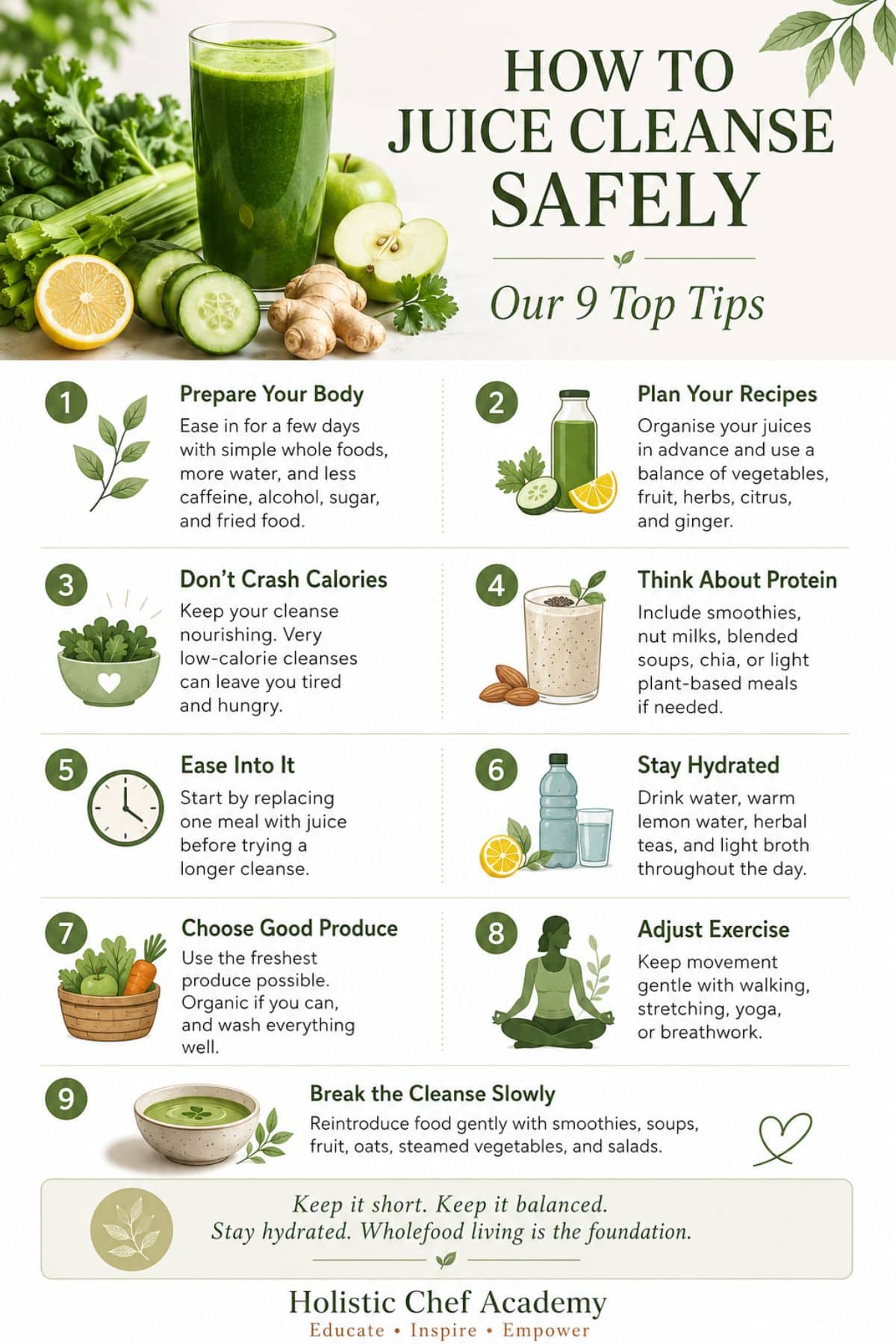
Juice Cleanse Safely: 9 Top Tips
1. Prepare Your Body First
Do not jump from coffee, takeaways, wine, and late-night snacks straight into a juice cleanse and expect your body to applaud.
Ease in gradually for a few days before you start. Focus on fresh fruits, vegetables, soups, salads, smoothies, whole grains, and simple plant-based meals. Reduce alcohol, caffeine, refined sugar, fried foods, and heavy processed meals.
This helps reduce the chances of headaches, fatigue, cravings, and digestive discomfort during the cleanse.
2. Plan Your Juice Recipes
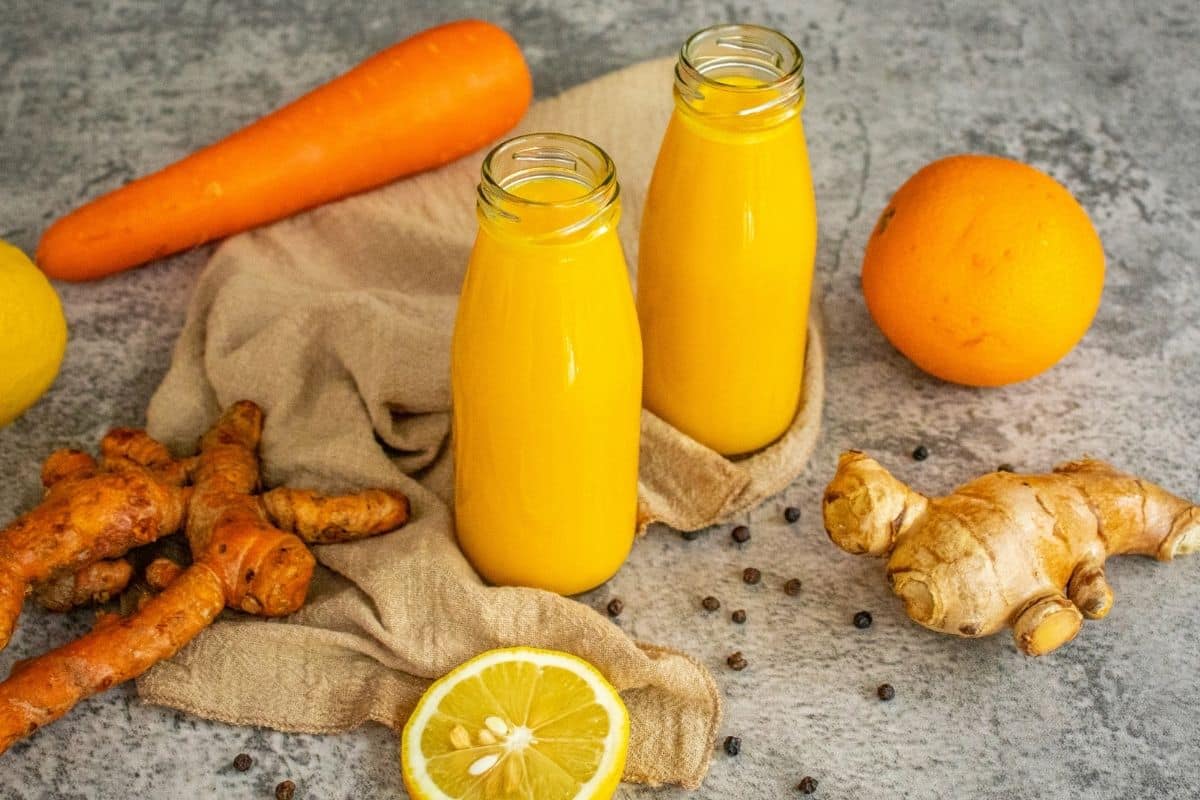
Good preparation makes a juice cleanse much easier. Plan your recipes, shopping list, timing, and storage before you begin. Aim for a balance of vegetables, fruit, herbs, citrus, and warming ingredients such as ginger or turmeric.
Good juicing ingredients include:
- Cucumber: hydrating and refreshing
- Celery: light, mineral-rich, and naturally savoury
- Green apple: adds natural sweetness and sharpness
- Kale: rich in plant nutrients and antioxidants
- Ginger: warming and digestion-supportive
- Lemon: brightens flavour and adds vitamin C
- Carrot: naturally sweet and rich in beta-carotene
- Beetroot: earthy, vibrant, and nutrient-dense
Link here to your juice recipe hub or selected internal posts.
3. Do Not Crash Your Calories Too Low
Juice cleanses often reduce calorie intake, which is one reason people may lose weight in the short term. However, very low-calorie cleanses can leave you tired, irritable, light-headed, and more likely to overeat afterwards.
A safe cleanse should feel light and nourishing, not like a punishment from the wellness police.
Fresh juices can be a useful way to increase your intake of fruits and vegetables, but they should not replace balanced meals for long periods. The Mayo Clinic guide to juicing notes that juice cleanses do not provide enough complete nutrition and that any weight lost during a cleanse may be gained back once normal eating resumes.
The NCCIH also notes that juice and detox diets may cause initial weight loss due to low calorie intake, but this is often temporary. For a safer approach, keep your cleanse short, include a variety of vegetable-rich juices, and consider adding smoothies, soups, nut milks or light plant-based meals if your energy drops.
4. Think About Protein
Fresh juices are rich in vitamins, minerals, and phytonutrients, but they are usually low in protein and fat. This is one of the biggest weaknesses of a juice-only cleanse.
To make your cleanse more balanced, consider including:
- A homemade almond or cashew milk
- A smoothie with plant-based protein
- A light blended soup
- A small portion of soaked chia seeds
- A gentle plant-based meal alongside your juices
This is especially useful if you are active, working long days, or cleansing for more than one day.
5. Ease Into the Cleanse
You do not have to go straight into a full juice fast. For many people, a gentler approach is better. Try replacing one meal per day with a juice first. Then move to a half-day cleanse, then a one-day cleanse, and only then consider a longer cleanse if it feels right for your body.
A supported cleanse with juices, smoothies, soups, and light plant-based meals is often more realistic and sustainable than a strict juice-only approach.
6. Stay Hydrated
Even though juices contain water, you still need to drink fluids throughout the day. Hydration helps maintain energy, supports digestion, and reduces the chances of headaches and fatigue.
Good options include:
- Filtered water
- Warm lemon water
- Herbal teas
- Coconut water in moderation
- Light vegetable broth
7. Choose Good Quality Produce
Use the freshest produce you can find. Organic is ideal where possible, especially for leafy greens, celery, apples, cucumbers, and berries. That said, do not let perfect be the enemy of good. If organic produce is not available or affordable, use conventional produce and wash it well.
The CDC recommends washing or scrubbing fruits and vegetables under running water before eating or preparing them. Read our full guide here on Preparing Ingredients For Juicing.
8. Adjust Your Exercise
A juice cleanse is not the time to chase personal bests in the gym. Keep movement gentle and supportive. Good options include:
- Walking
- Gentle yoga
- Stretching
- Breathwork
- Light mobility work
Avoid intense training, long runs, heavy lifting, hot yoga, or anything that leaves you dizzy or drained. Listen to your body. If you feel weak, shaky, or unwell, stop the cleanse and eat something nourishing.
9. Break the Cleanse Slowly
How you finish your cleanse matters just as much as how you start it. Avoid jumping straight back into heavy meals, fried foods, alcohol, or ultra-processed snacks.
Start with easy-to-digest foods such as:
- Smoothies
- Soups
- Steamed vegetables
- Fresh fruit
- Oats
- Light salads
- Simple plant-based meals
Notice how your body responds as you reintroduce foods. This is one of the most useful parts of cleansing because it can help you reconnect with your appetite, digestion, and energy levels.

Frequently Asked Questions
A short juice cleanse may be safe for healthy adults when done carefully, but it is not suitable for everyone. Pregnant women, children, older adults, people with diabetes, low blood sugar, kidney issues, eating disorders, or immune problems should avoid juice cleansing unless advised by a healthcare professional.
Beginners should start small. Try replacing one meal with a juice or doing a half-day cleanse before attempting a one-day or three-day cleanse. Longer cleanses should only be done with proper guidance.
Yes, but keep exercise gentle. Walking, stretching, light yoga, and mobility work are better choices than intense workouts, heavy lifting, or long cardio sessions.
A juice cleanse may lead to short-term weight loss because calorie intake is usually reduced. However, this weight loss is often temporary. For long-term results, focus on balanced meals, whole foods, regular movement, and sustainable habits.
Break your cleanse gently with smoothies, soups, steamed vegetables, oats, fresh fruit, and simple plant-based meals. Avoid heavy, fried, sugary, or ultra-processed foods immediately after cleansing.

Embrace the Journey to Better Health
A juice cleanse can be a refreshing way to pause, reset, and bring more fresh produce into your diet. But it should be done with common sense. Keep it short. Keep it balanced. Stay hydrated. Avoid extremes. And remember: the real goal is not just to complete a cleanse - it is to build healthier habits afterwards.
At Holistic Chef Academy, we recommend using juice cleansing as part of a wider wholefood lifestyle that includes fresh vegetables, fruits, whole grains, legumes, nuts, seeds, herbs, spices, and plenty of good hydration.
Juice is a tool. Wholefood living is the foundation.
Resources
- The benefits of cold juice cleansing
- How to prepare ingredients for juicing
- How to juice cleanse
- The 3-Day DIY at Home Juice Cleanse
- 5 Homemade Fermented Beverages
- 7 Anti-Inflammatory Juice Recipes


Did you make this recipe? Let me know!