

Oats have been in my breakfast bowl for as long as I can remember - first as mum-or-dad-made porridge with raisins and honey on frosty Galway mornings, and these days turbo-charged with berries, cinnamon, vanilla and the obligatory spoonful of nut butter. Nostalgia aside, this gluten-free grain punches well above its weight in fibre, beta-glucan, B-vitamins and minerals, making it a genuine superfood. Dive into the oat recipes below and we'll show you just how easy it is to turn this humble staple into crave-worthy, plant-powered fuel.

Index
Jump to:
- Oats are definitely one of the top 10 must-have ingredients in any healthy kitchen
- So what are Oats?
- Make Oat Milk At Home
- Why Are Oats So Good For You?
- Nutritional Content
- Where to Source Oats
- How to Prepare or Cook Oats
- What to Serve Oats With
- Oat Recipes From Around The World
- Fun Oat Facts
- Oat Recipes
- References
Oats are definitely one of the top 10 must-have ingredients in any healthy kitchen
Oats have earned their place on the shortlist of essential ingredients for a nutritious, plant-based pantry. Known for their incredible versatility, they can be prepared in countless ways - from hearty porridges and easy overnight oats to creamy soups and baked goods. Including oats in your daily routine is a simple way to boost fibre intake and support overall well-being. In terms of oats nutrition, they are packed with important vitamins, minerals, and beta-glucans that may help maintain healthy cholesterol levels.
So what are Oats?
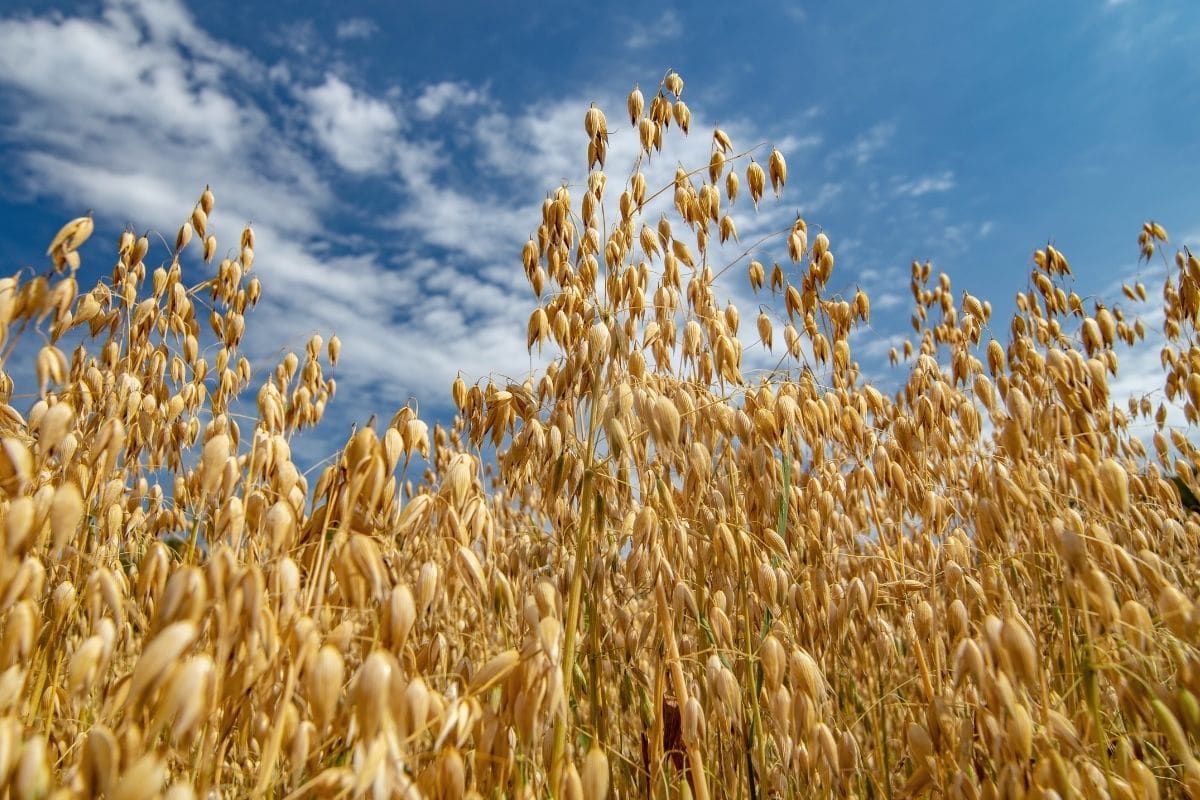
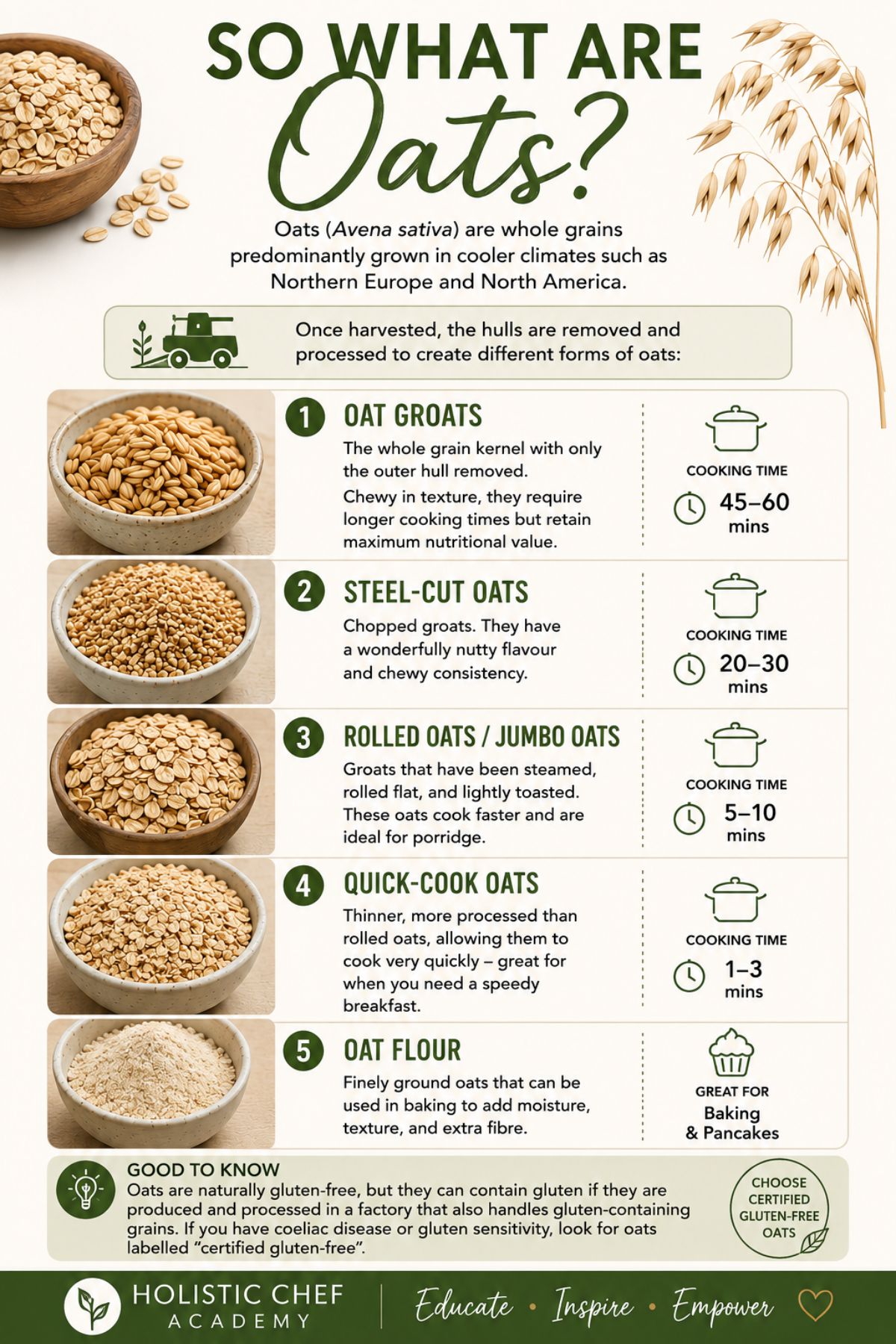
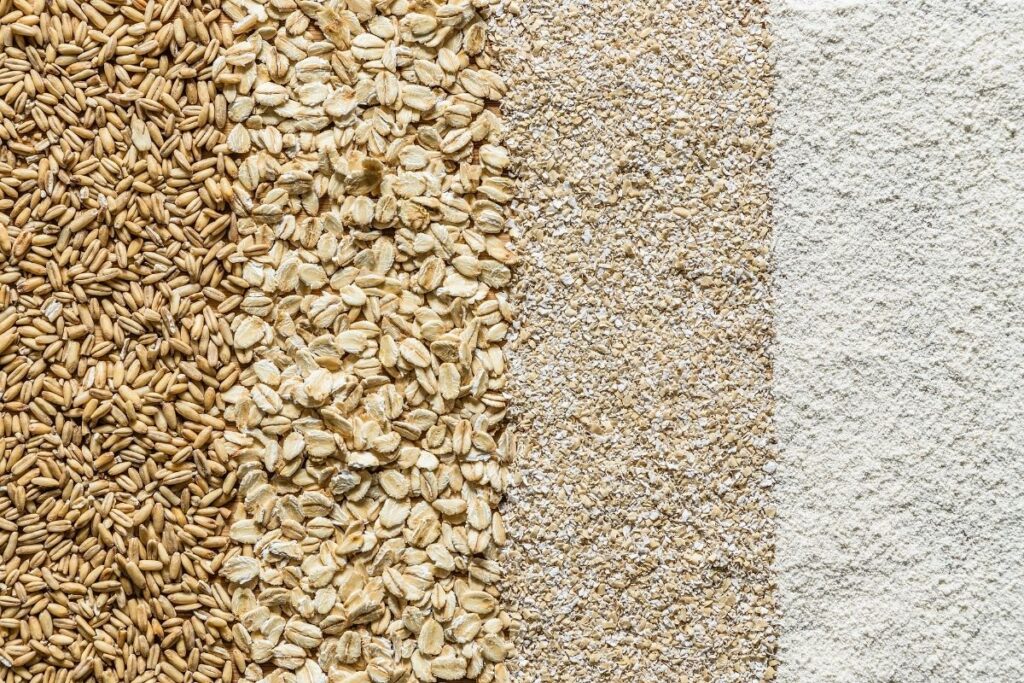
Oats (Avena sativa) are whole grains predominantly grown in cooler climates such as Northern Europe and North America. Once harvested, the hulls are removed and processed to create different forms of oats:
- Oat Groats: The whole grain kernel with only the outer hull removed. Chewy in texture, they require longer cooking times but retain maximum nutritional value.
- Steel-Cut Oats: Chopped groats. They have a wonderfully nutty flavour and chewy consistency.
- Rolled Oats/Jumbo Oats: Groats that have been steamed, rolled flat, and lightly toasted. These oats cook faster and are ideal for porridge.
- Quick-Cook Oats: Thinner, more processed than rolled oats, allowing them to cook very quickly - great for when you need a speedy breakfast.
- Oat Flour: Finely ground oats that can be used in baking to add moisture, texture, and extra fibre.
History
Oats have a long-standing history dating back thousands of years. Originally grown as animal feed, they soon became a staple part of human diets - especially in regions with harsher climates, where wheat was harder to cultivate. Scottish and Scandinavian cuisines have traditionally relied on oats as a warming breakfast or as the base of comforting dishes like oatcakes and skirlie (a savoury oat side dish).
Seasonality
Farmers sow oats in spring and cut them in late summer or early autumn. Millers then swiftly roll or steel-cut the new crop, so the freshest oats reach the shelves soon after harvest. Because most of us buy these dried, shelf-stable oats, they stay readily available all year.
Make Oat Milk At Home
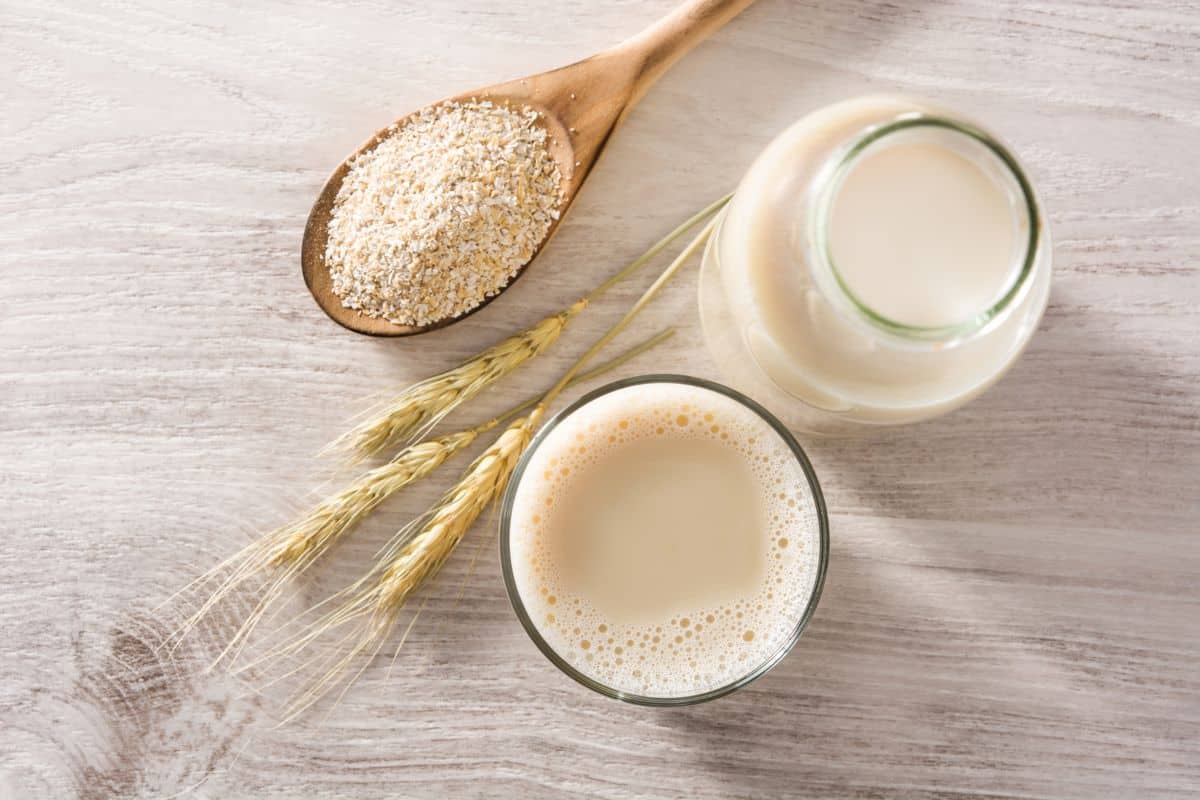
Oatmilk has become a popular dairy alternative thanks to its creamy texture and mild flavour:
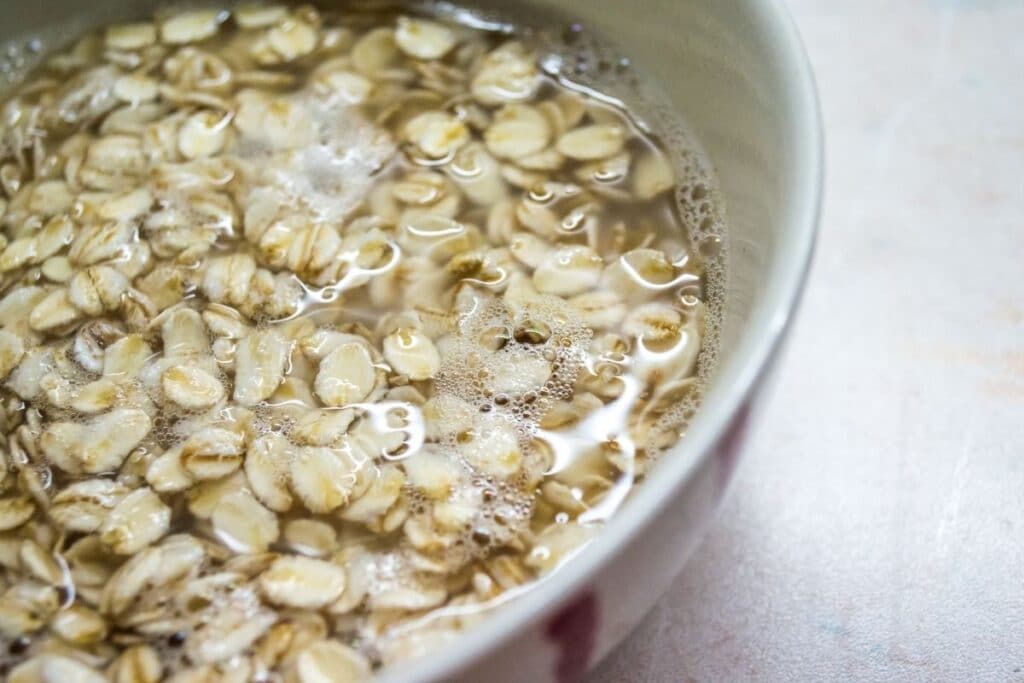
- How to Make Oatmilk: Simply blend soaked oats with fresh water, then strain through a muslin cloth or fine sieve. Adjust thickness and sweetness to taste.
- Uses: Perfect for smoothies, cereals, baking, and frothy coffees. With a little experimentation, you can even create a barista-style foam for lattes and cappuccinos.
Why Are Oats So Good For You?
Oats provide a host of benefits that align perfectly with a holistic, plant-based lifestyle:
- High Fibre Content: The soluble fibre, beta-glucan, has been studied for its potential to help maintain healthy cholesterol levels.
- Slow-Release Energy: Ideal for a sustaining breakfast that keeps you feeling full.
- Versatile in Cooking: The mild flavour means oats pair well with both sweet and savoury ingredients.
- Widely Available: Oatmilk and other oat-based products can be found in most supermarkets, making it easy to integrate oats into your daily meals.
Nutritional Content
Embracing oats nutrition in your daily meals is an excellent way to support a balanced, plant-based lifestyle. Whether you're looking for a hearty breakfast, a baking essential, or a versatile ingredient for savoury dishes, oats are a nutritious, delicious, and sustainable choice all year round.
When it comes to oats nutrition, you're getting more than just fibre. Oats also provide:
- Protein: A respectable amount for a grain, helpful in maintaining muscle and supporting cell function.
- Minerals: Magnesium, phosphorus, and manganese, which play vital roles in bone health and energy production.
- B Vitamins: Important for energy metabolism and overall cell health.
For detailed scientific information on the nutritional benefits of oats, you can refer to research from the
National Center for Biotechnology Information.
Where to Source Oats
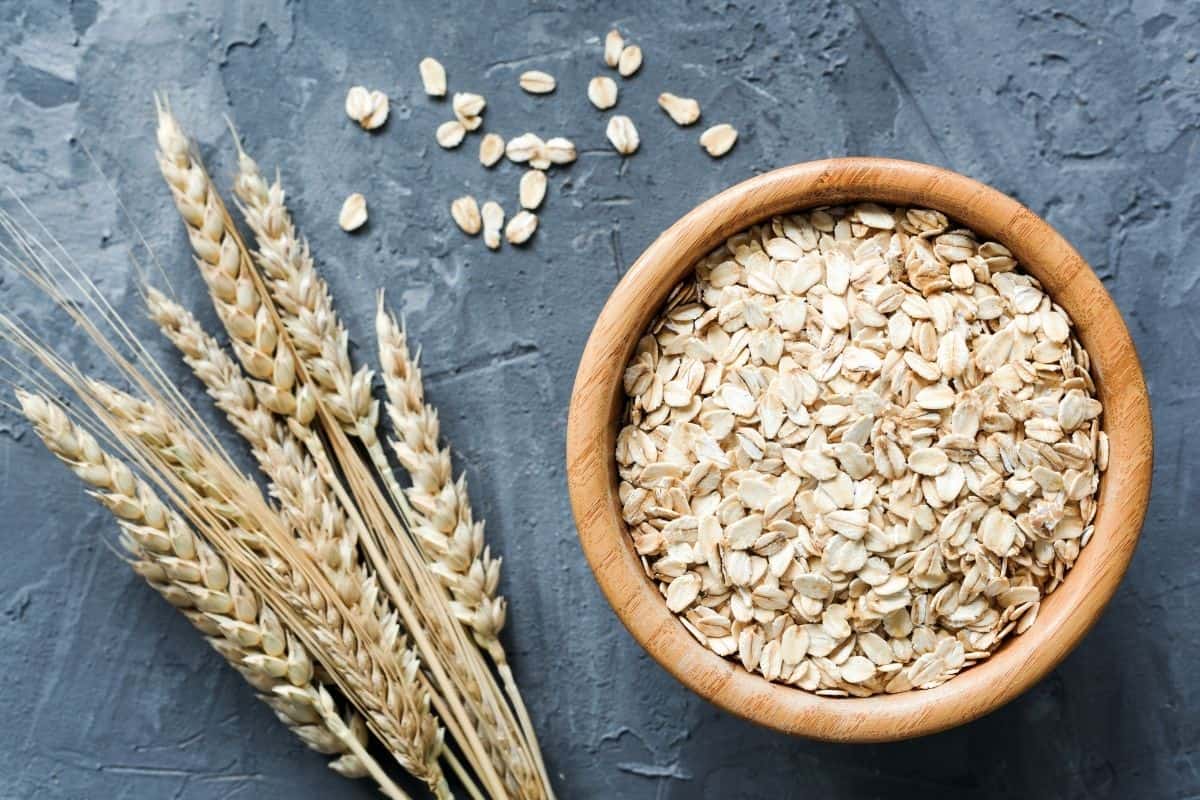
Oats are widely accessible. They are found in supermarkets, health food shops, and online retailers. If possible, opt for organic oats to ensure minimal pesticide exposure and to support environmentally responsible farming. Visiting a local farmers' market or co-operative can also help you discover smaller-scale producers who prioritise sustainable practices.
How to Prepare or Cook Oats
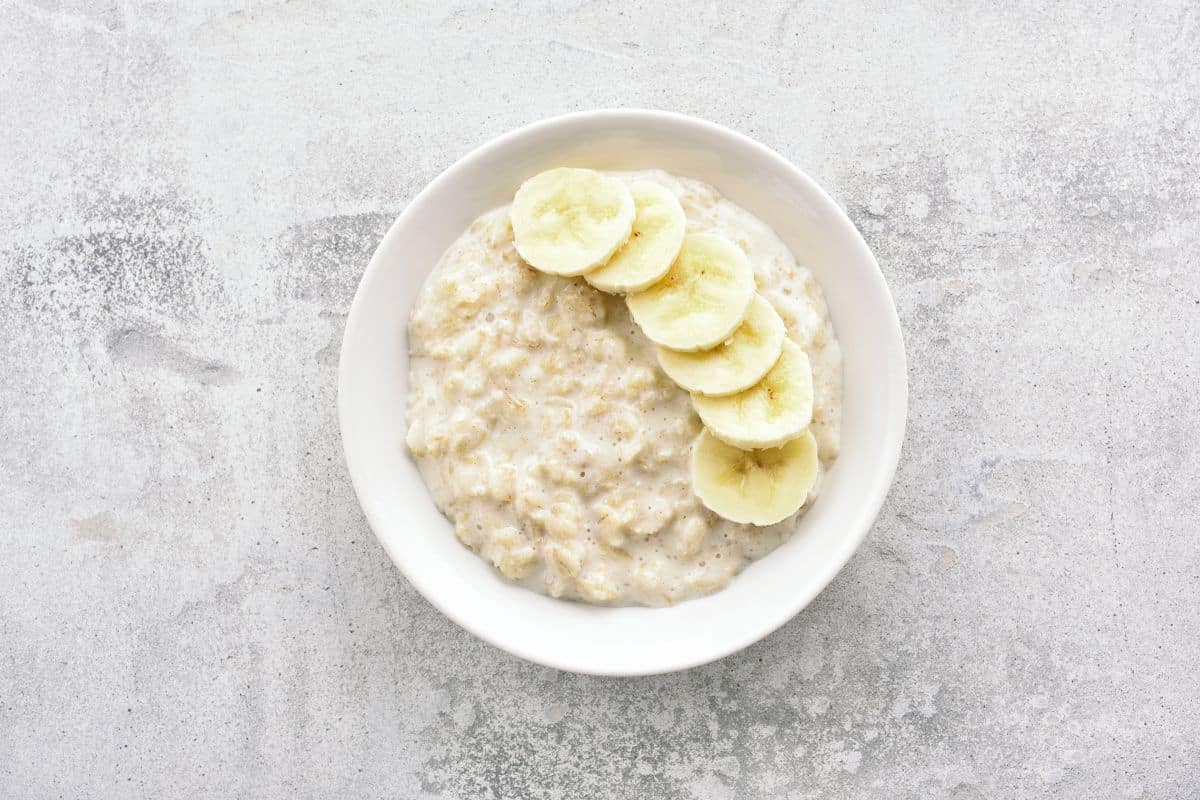
- Porridge: Combine rolled oats with water or plant-based milk. Simmer gently until thick and creamy, stirring occasionally.
- Overnight Oats: Soak oats in milk or yoghurt, adding fruits, nuts, and spices for a ready-to-eat breakfast.
- Baking: Substitute part of your flour with oat flour in pancakes or muffins for added moisture.
- Savoury Dishes: Use steel-cut oats in place of rice for risottos or toss cooked oats into soups for extra body.

What to Serve Oats With
Thanks to their neutral taste, oats pair wonderfully with countless flavour combinations:
- Sweet: Fresh berries, bananas, dried fruits, nut butters, cinnamon, a drizzle of maple syrup.
- Savoury: Mushrooms, onions, spinach, roasted vegetables, fresh herbs, or a dash of soy sauce in oats-based congee.
Oat Recipes From Around The World
- Asia: In China, oats are sometimes used to make savoury congees or added to steamed buns.
- Middle East: Oats might be mixed with chickpeas or lentils in hearty soups or used as a binding agent in veggie patties.
- Europe: From Scottish porridge to Scandinavian muesli and oatcakes, oats are a long-standing breakfast hero.
Experiment with these cultural inspirations to find new ways of enjoying oats every day.
Fun Oat Facts
Oats weren't always highly regarded as a human food. Historically, they were largely cultivated as feed for livestock. Over time, people discovered their nutritious value and began incorporating them into various cuisines. Today, oats are one of the most beloved and versatile grains worldwide.
- World Porridge Day is 10th October
- Scotland hosts the Porridge World Championship every year
- World Oat Day is October 28th
- 75% of USA households have oats in their store cupboard
- Bertram, Texas hosts an oatmeal festival every year
Oat Recipes
Looking for ways to put these ideas into action? Try out some of our favourite oat-based creations on the Holistic Chef Academy website:
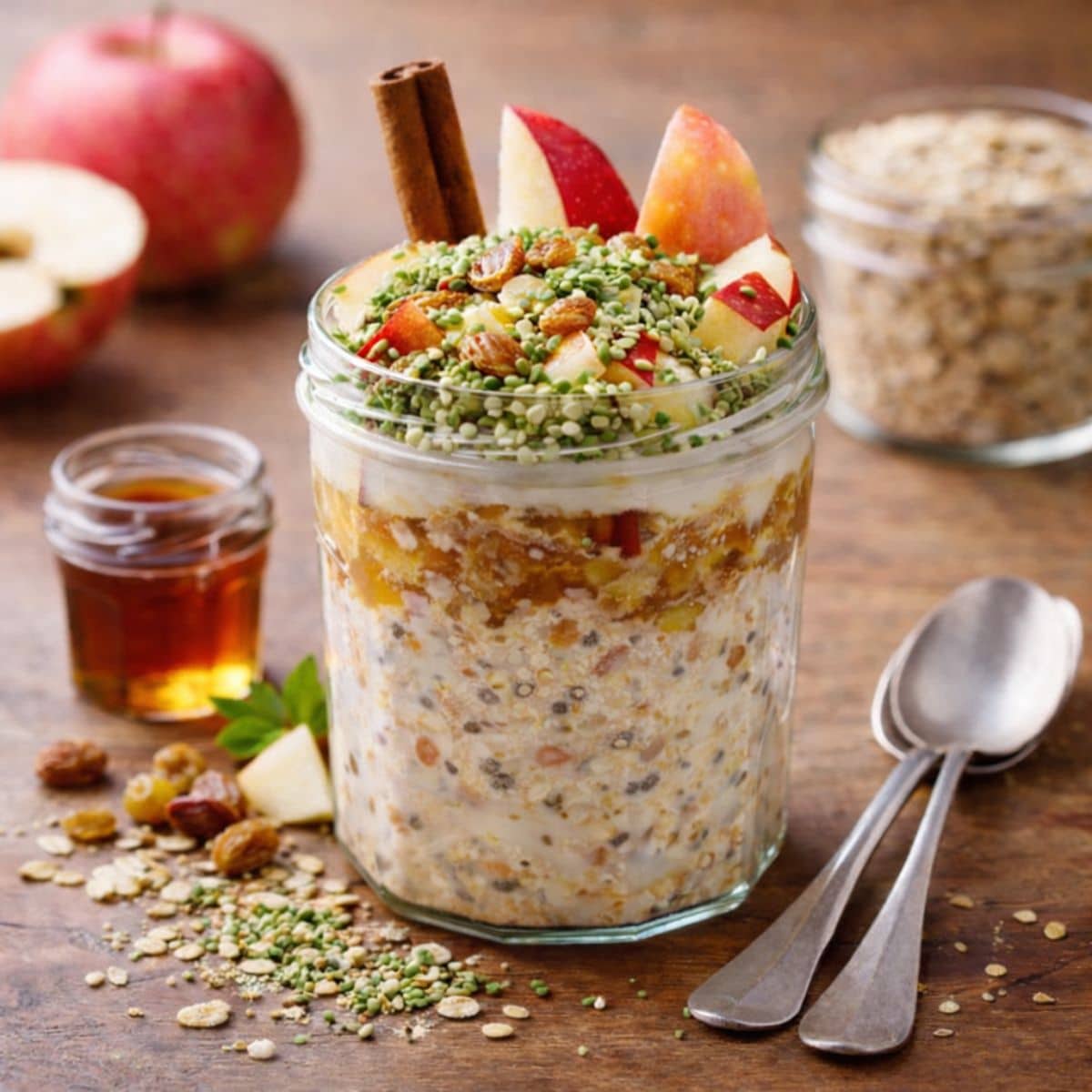
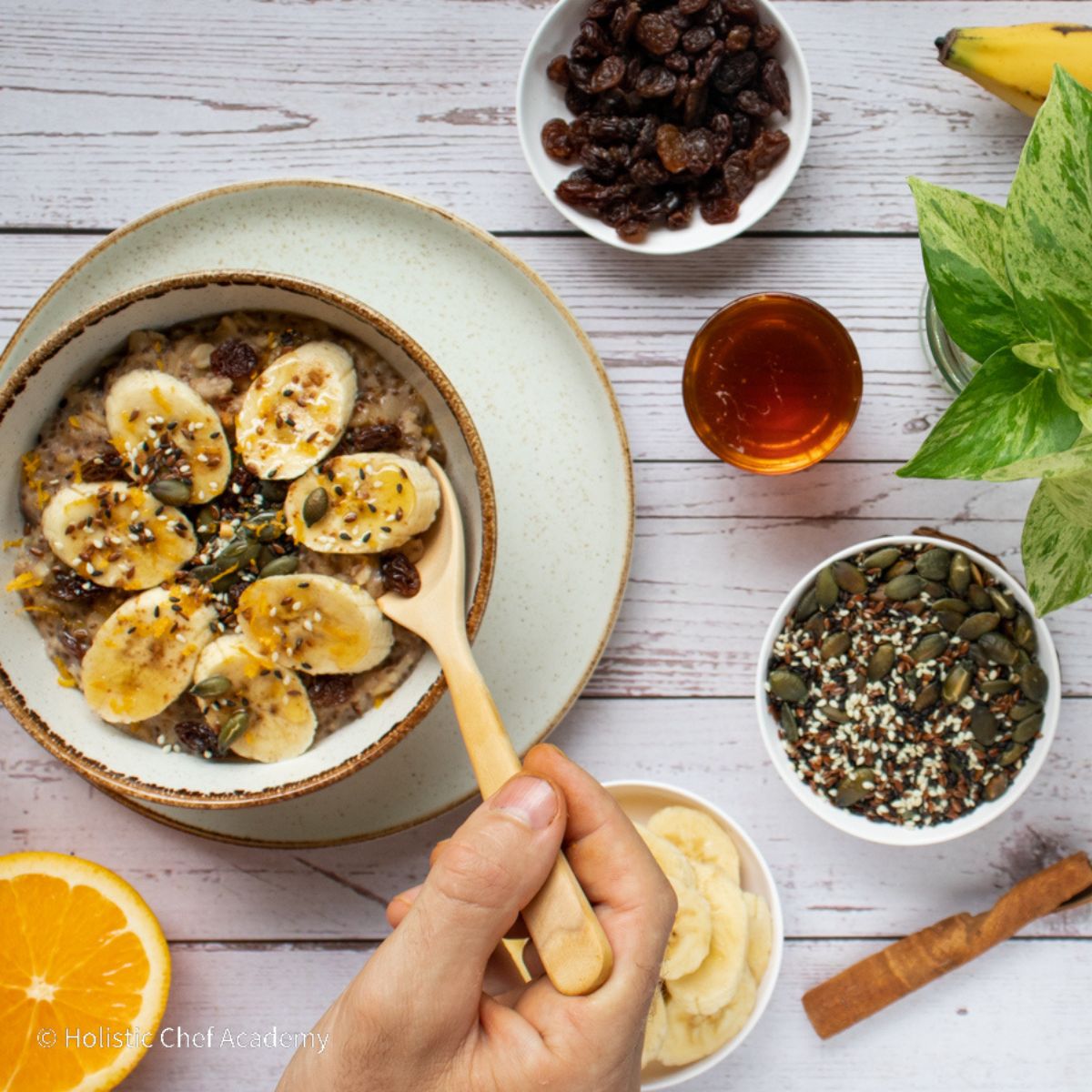
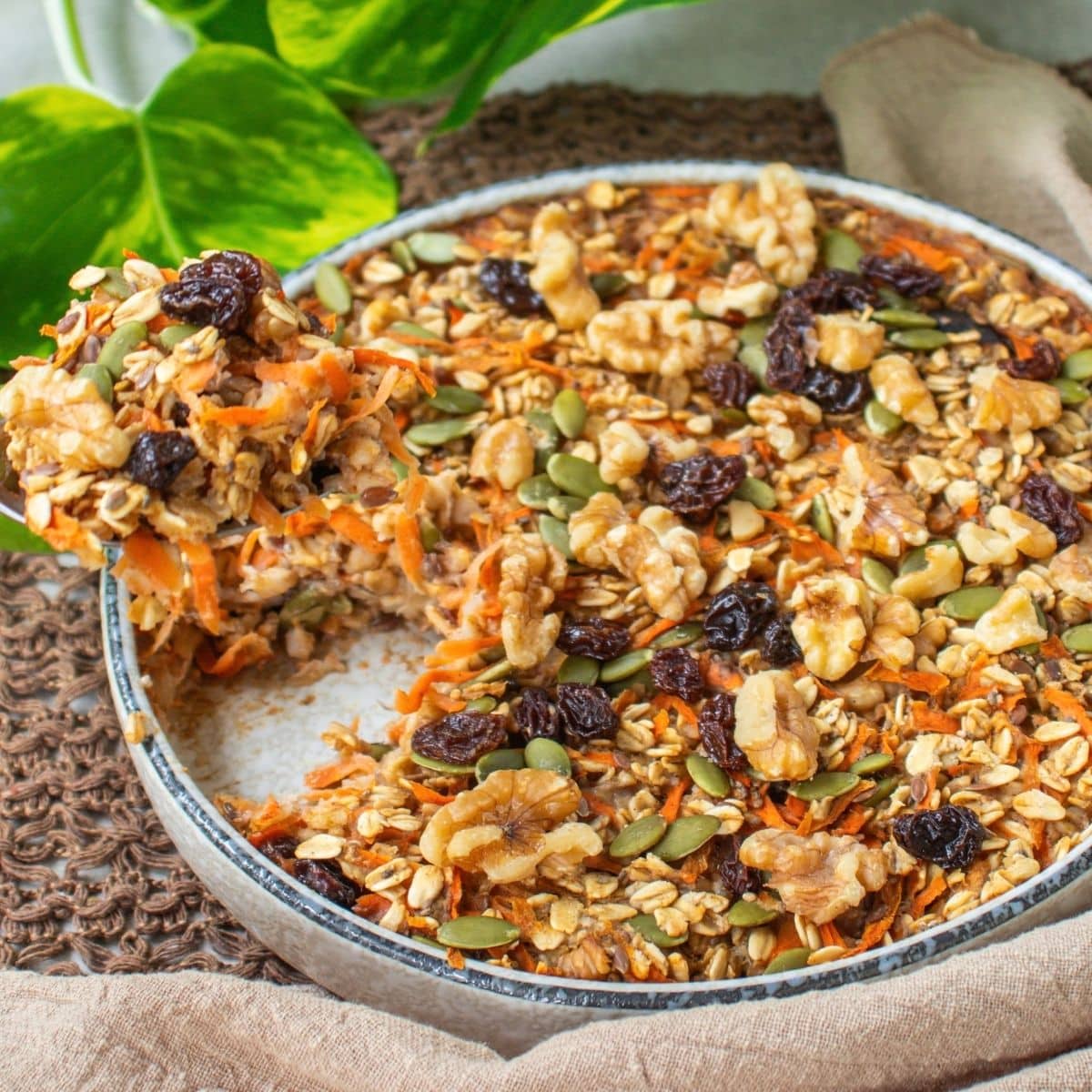
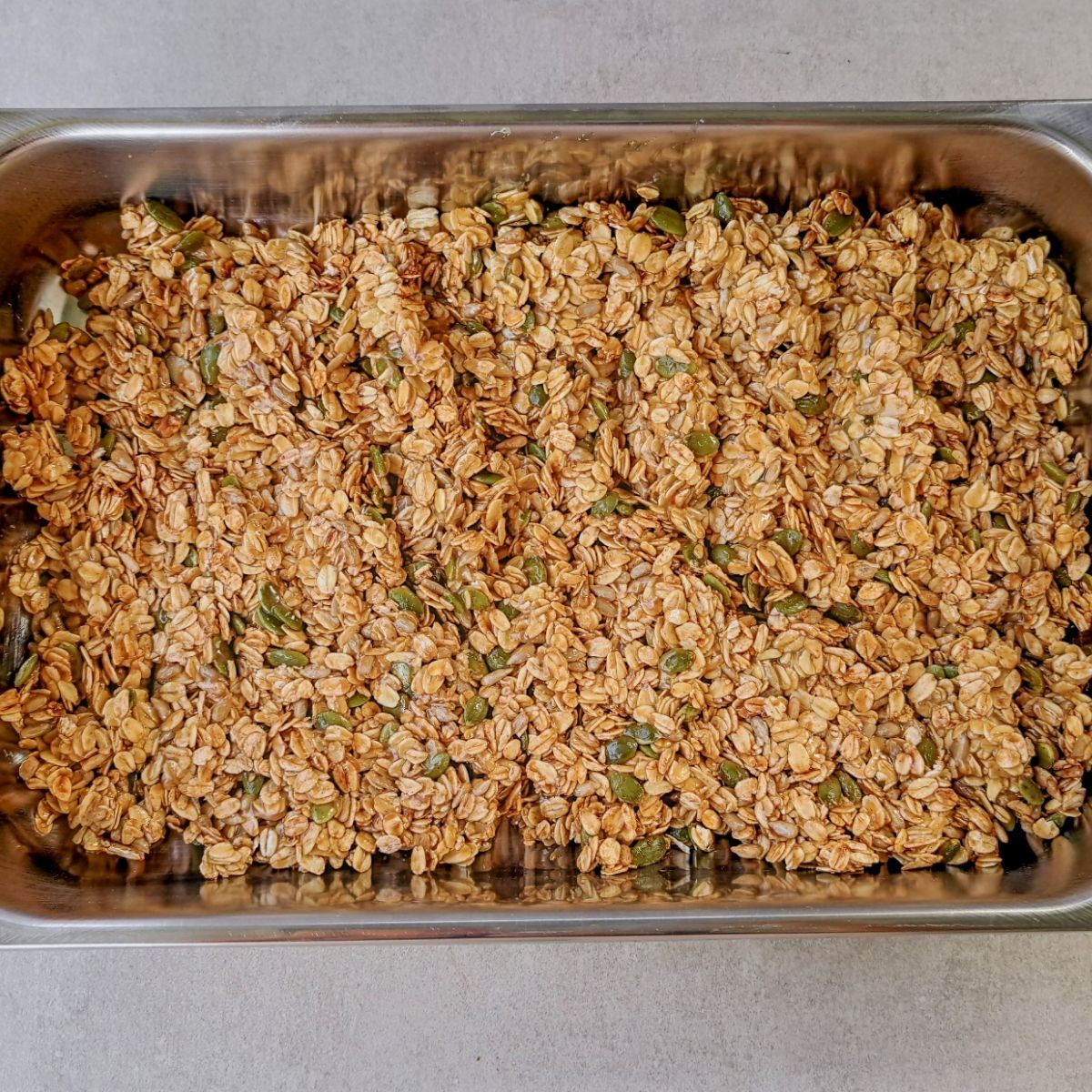
More Oat Recipe
- Quinoa & Oat Porridge
- Baked Pumpkin Pie Oats
- Sesame & Oat Bircher
- Oat & Cacao Flapjack
- Oat & Sunflower Seed Bread
References
- National Center for Biotechnology Information - for scientific research on oats' health benefits and nutritional content


BREDA says
Great recipe, delicious healthy ingredients and easy to follow