
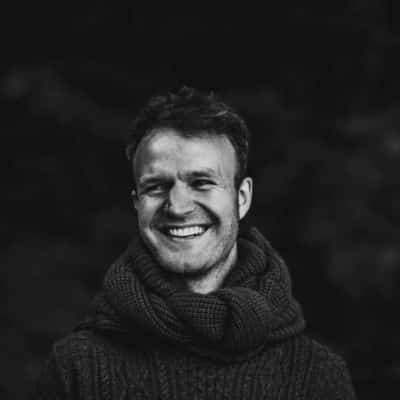
From 2015 to 2018, I worked as a guest lecturer at Leiths Cookery School in London, teaching the raw food and fermentation module as part of the Nutrition in Practice course. This Leiths Cookery School case study looks back at an important chapter in my development as a chef, educator, and founder of Holistic Chef Academy.
Index
Jump to:
- Raw Food, Fermentation and Nutrition
- Leiths Cookery School and the Nutrition in Practice Course
- The Opportunity
- Jamie's Guest Lecturer Role at Leiths
- A Typical Class Structure
- Teaching Raw Food and Fermentation
- Standout Recipes and Techniques
- Making Nutrition Practical and Chef-Friendly
- Student Experience and Learning Outcomes
- Lessons I Took From Teaching at Leiths
- How Teaching at Leiths Shaped Holistic Chef Academy
- Why This Leiths Cookery School Case Study Matters
- Work With Holistic Chef Academy
Raw Food, Fermentation and Nutrition
The experience gave me the opportunity to teach in one of the UK's most respected cookery school environments, work with students from a wide range of backgrounds, and develop my own approach to practical, nutrition-led culinary education.
Looking back, it was also one of those moments where a series of unexpected decisions led to something much bigger. A small step towards overcoming my fear of public speaking eventually opened the door to teaching at Leiths. Funny how life works when you say yes to the thing that scares you.
Leiths Cookery School and the Nutrition in Practice Course
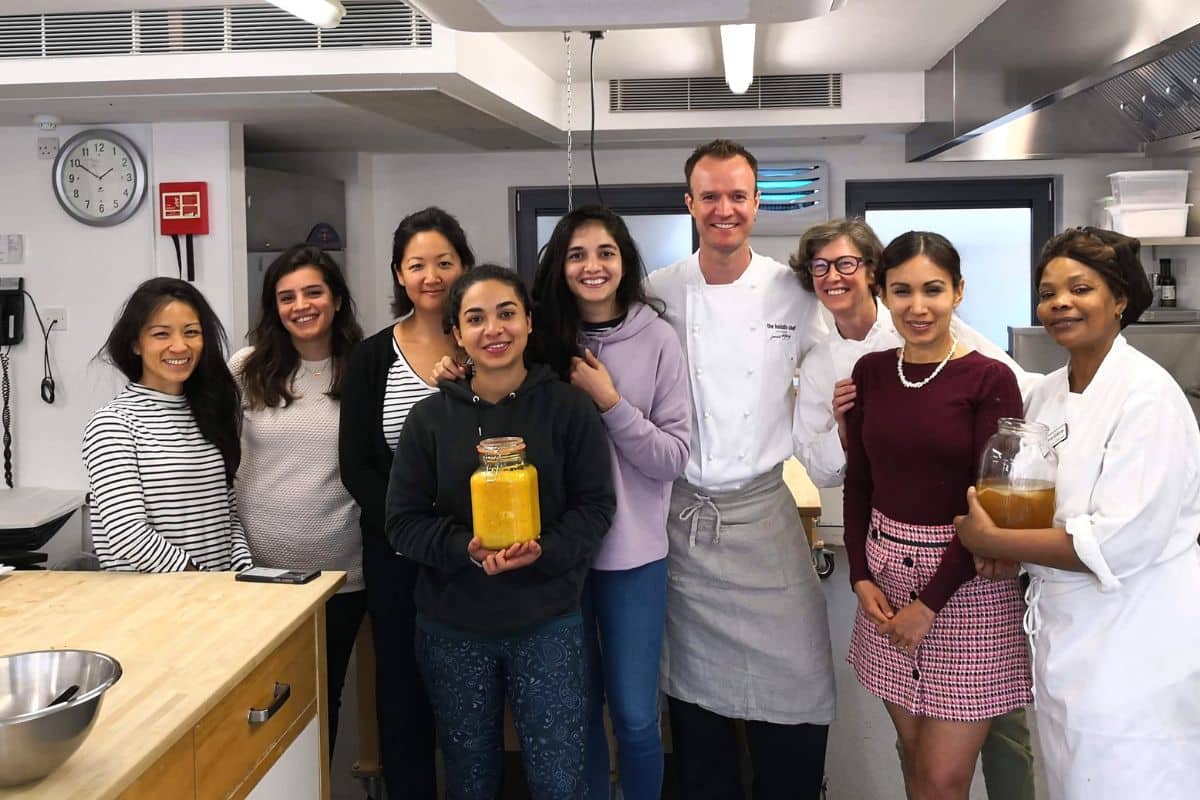
The Nutrition in Practice course at Leiths Cookery School was developed in collaboration with Jennifer Irvine and The Pure Package. It was designed for people who wanted to understand nutrition not only from a theory point of view, but also through practical cooking.
The course attracted a diverse mix of students, including home cooks, professional chefs, private chefs, nutritionists, catering business owners, and people with a serious interest in healthy cooking.
It was a substantial programme, running over several weeks, with a strong mix of theory and practical cookery. Students came with high expectations, and rightly so. They were investing their time, energy, and money into learning how to apply credible nutrition knowledge in the kitchen.
My role focused mainly on the practical side: helping students understand raw food techniques, fermentation, gut health principles, and how to turn those ideas into dishes they could confidently recreate.
For Holistic Chef Academy, this Leiths Cookery School case study shows how practical teaching, nutrition, and chef-led wellness education have been part of the brand from the beginning.
The Opportunity
The opportunity to teach at Leiths came through a brilliant piece of synchronicity.
At that time, public speaking was one of my biggest fears. I knew I needed to work on it, so I bought a Groupon voucher for a TV presenter training course in Bristol. It was something completely outside my comfort zone, but I wanted to develop the skill.
The course was led by Tony Hindhaugh, a TV presenter trainer with a background in food television. After hearing about my culinary background and the chefs I had trained with, Tony invited me to attend a week-long TV presenting course at Pinewood Studios, just outside London.
Tony became a mentor and a long-term friend. I later catered for his wedding, and we are still friends more than ten years later.
Through that connection, I was introduced to the Leiths Cookery School team. I gave a presentation to the Managing Director and met the team, which eventually led to the opportunity to become a guest lecturer on the Nutrition in Practice course.
That presenter training was hugely valuable. It taught me how to engage a room, use tone and eye contact, structure a session, and communicate with confidence. Those skills became essential in my teaching work.
Jamie's Guest Lecturer Role at Leiths
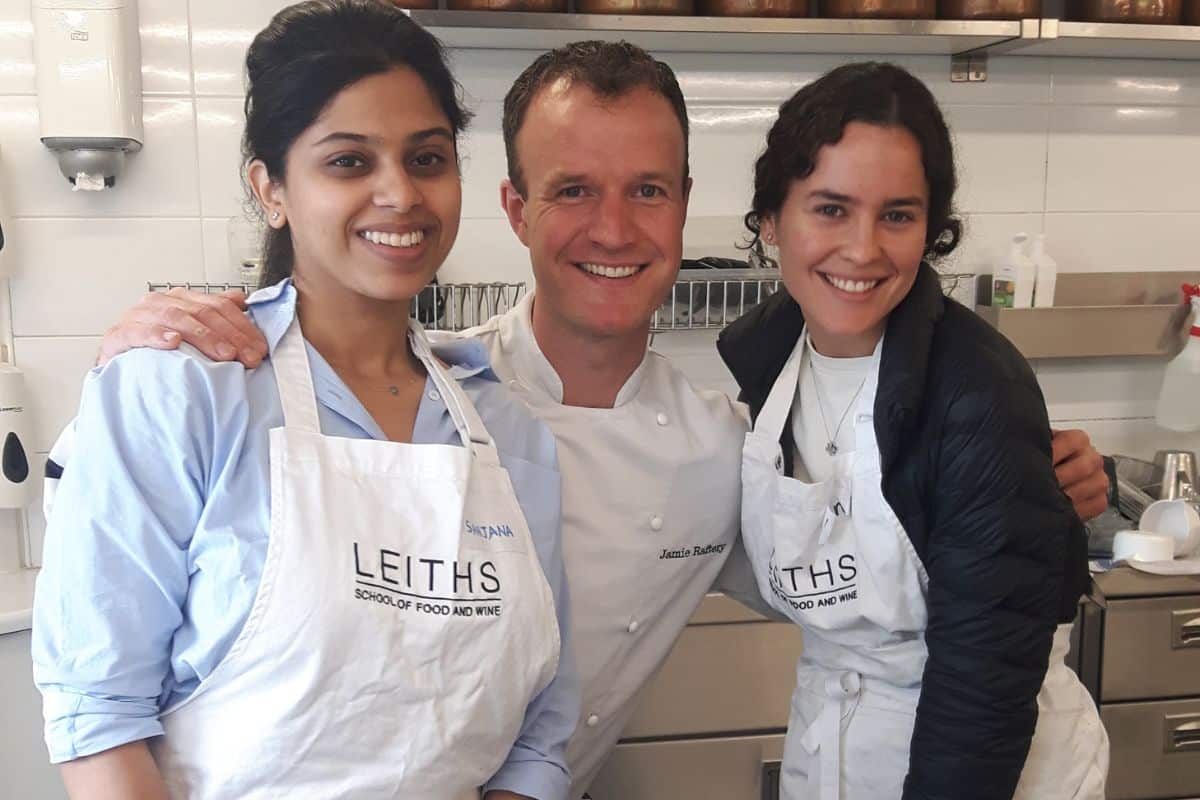
My role was to design and deliver the raw food and fermentation module.
There was a broad framework, but I had a good amount of creative freedom. As long as I covered the core areas of raw food, fermentation, and relevant techniques, I could design the session myself.
I created the recipes, class structure, teaching materials, handouts, time plans, and ingredient lists. Several weeks before each class, I would send everything to the Leiths team so they could review the content, order ingredients, and prepare properly.
I always aimed to keep the class fresh. Rather than repeating the exact same menu every time, I would adapt the recipes, refine the structure, and introduce new ideas. This kept the module interesting for the students and allowed me to keep improving as a teacher.
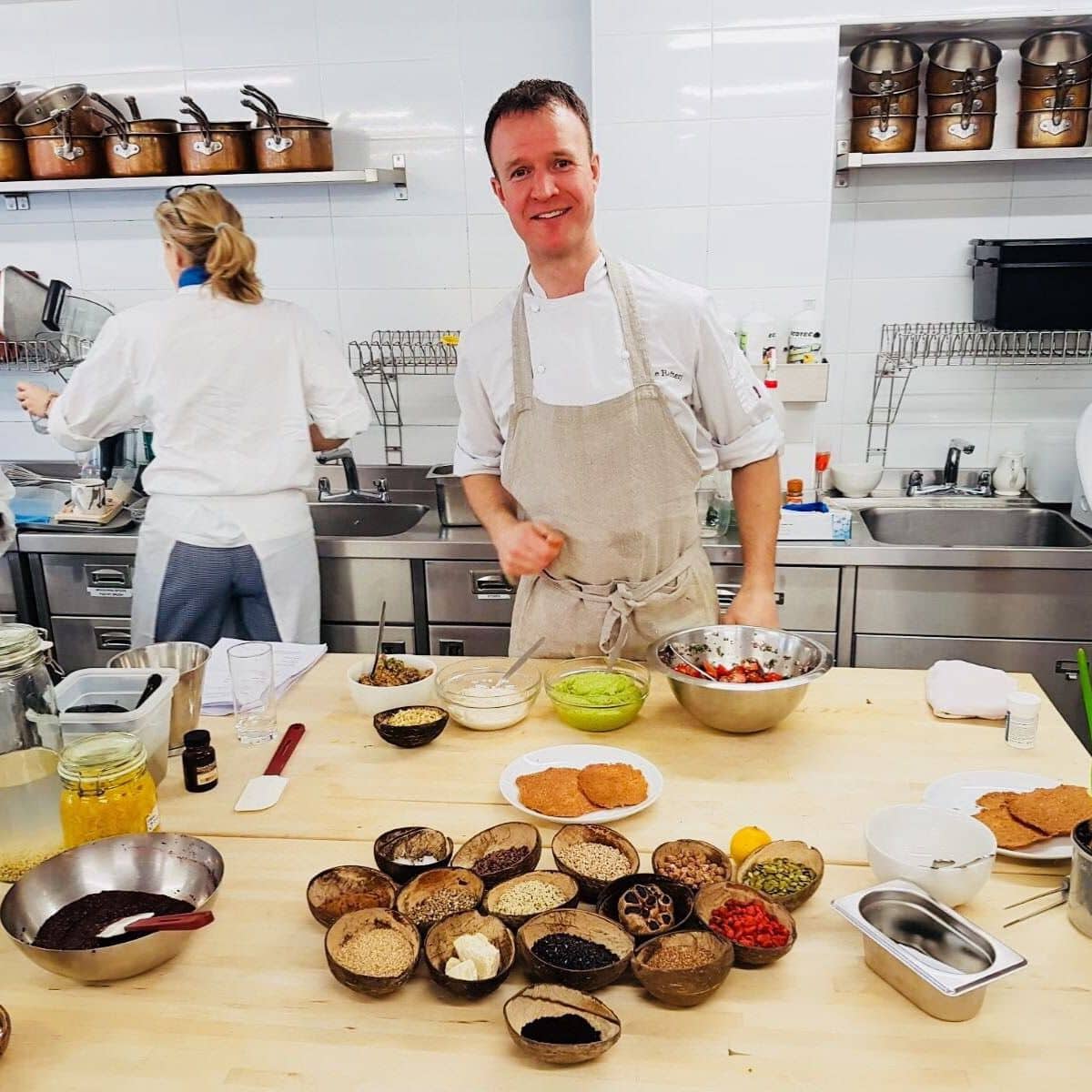
Typical dishes and techniques included:
- Raw savoury dishes
- Raw appetisers, salads, or tacos
- Raw desserts such as cashew cheesecake
- Fresh raw juices
- Kombucha, kefir, or tepache
- Sauerkraut or kimchi
- Nut-based creams, sauces, and desserts
- Fermentation demonstrations and tastings
Because fermented foods take time, I would often bring prepared examples with me. If students made sauerkraut or kombucha in class, they also needed to taste a finished version. The classic "here's one I made earlier" moment!
A Typical Class Structure
A typical class lasted around four to five hours.
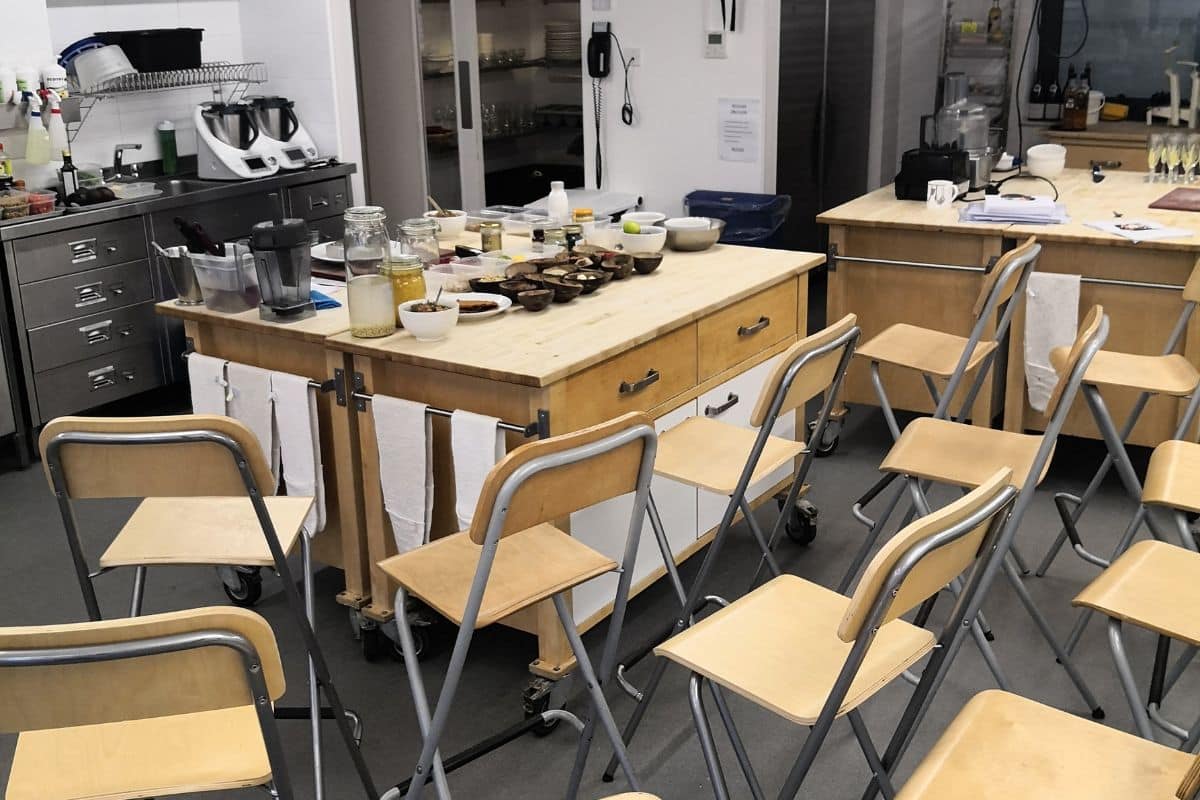
I believed strongly in first impressions, so I would arrive early, get organised, and make sure the room was properly set before students arrived. I often drove down to London very early in the morning to avoid traffic and give myself enough time to prepare.
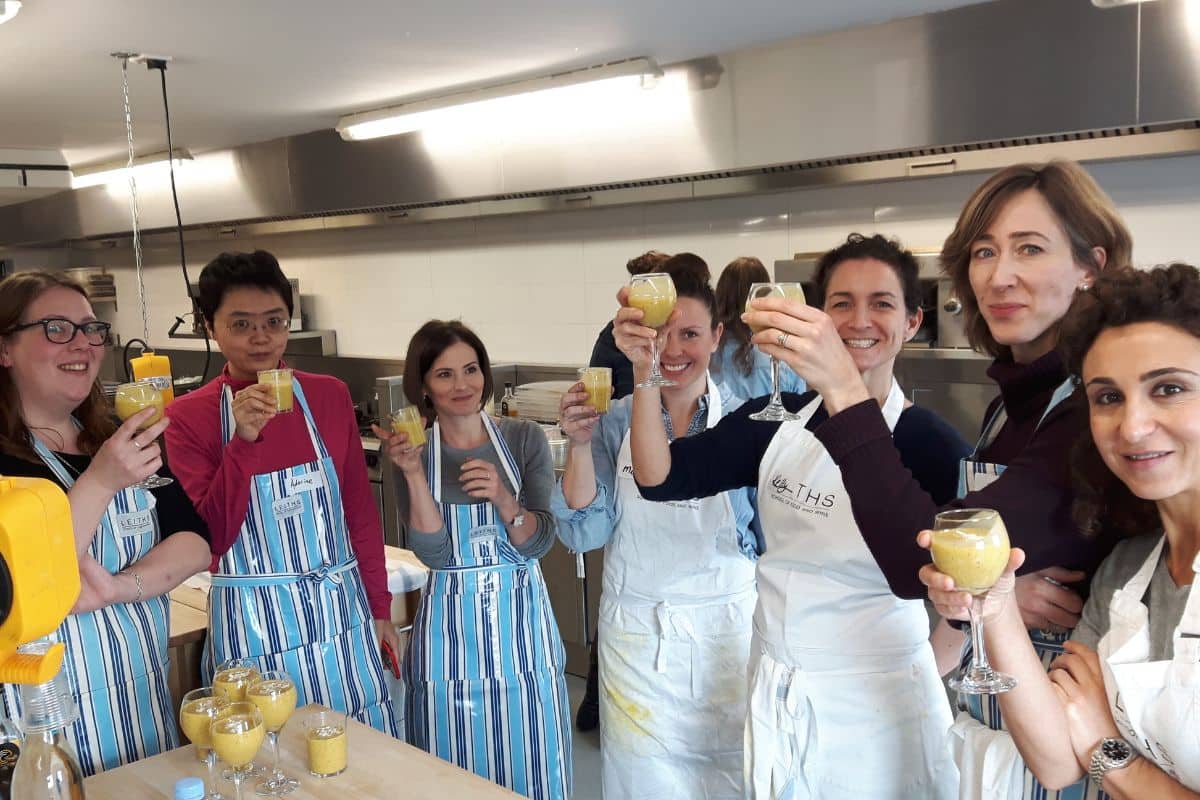
The class usually began with a welcome drink, often kombucha, kefir, or another fermented drink served nicely in glasses. This created a warm, relaxed start and immediately introduced students to the flavours we would be exploring.
We would then introduce the team and go around the room so each student could introduce themselves. I always used this time to understand who was in the class, what their skill level was, and what they wanted to gain from the session.
From there, the class moved into explanation and demonstration. I would introduce the menu, explain the recipes, demonstrate the key techniques, and give students a chance to taste examples as we went.
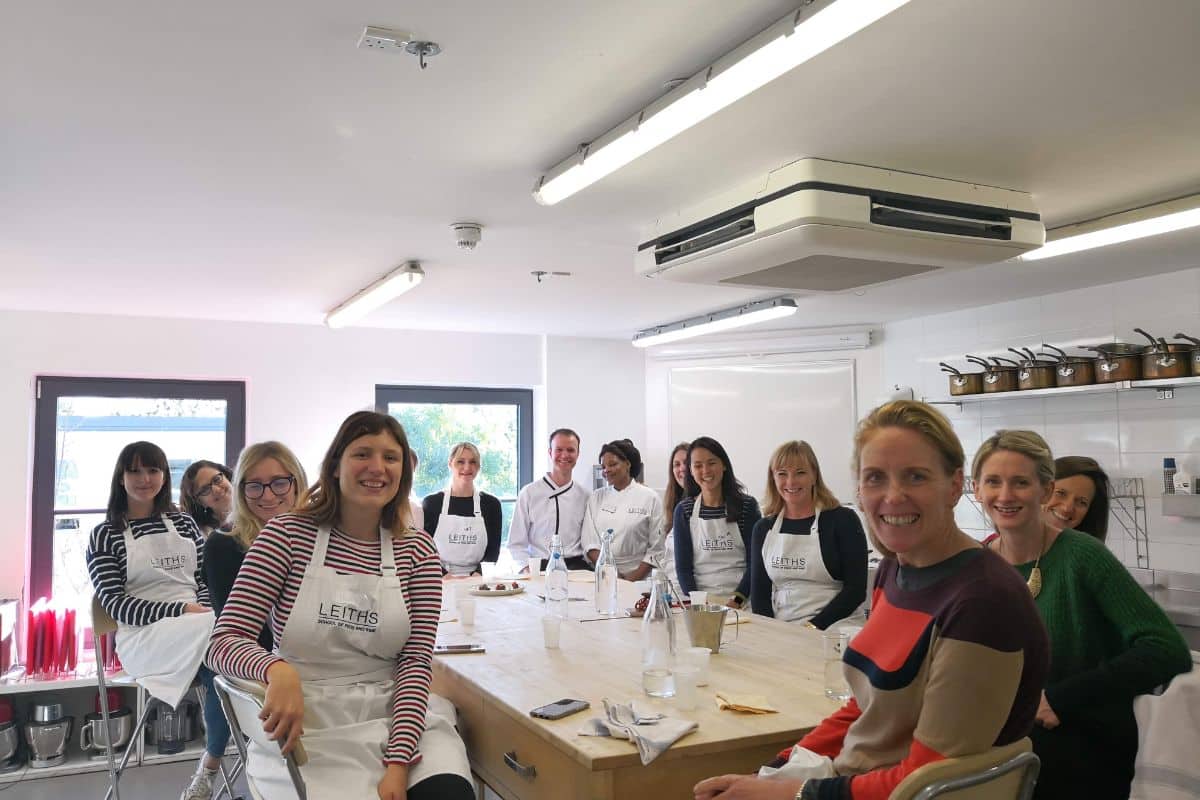
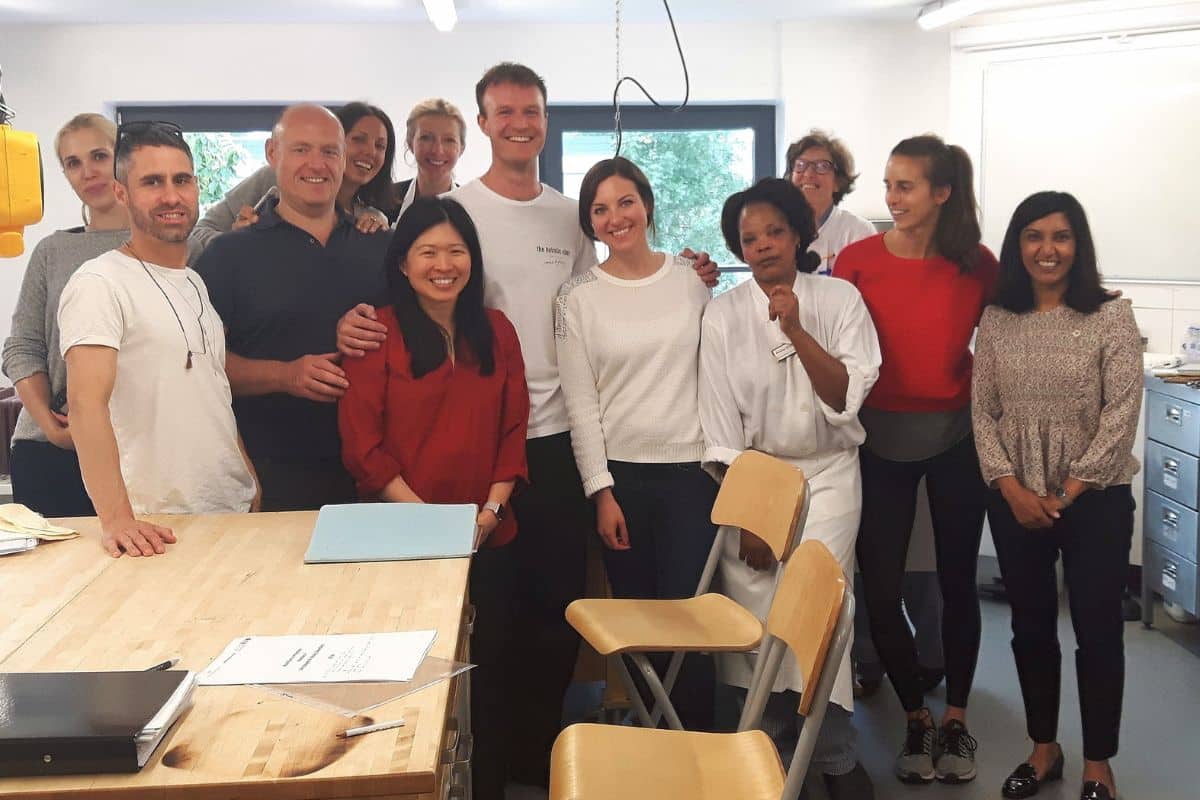
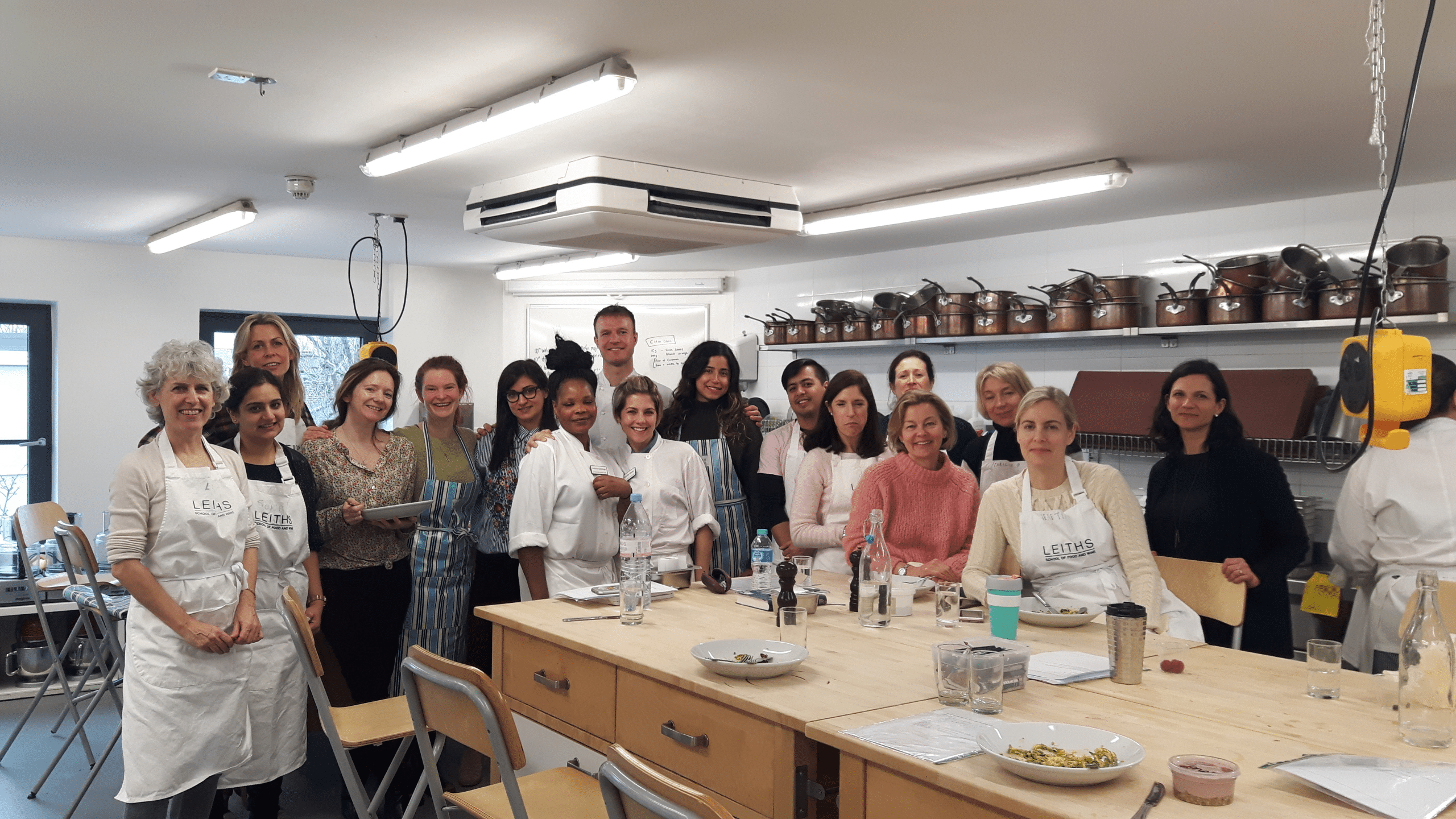
After the demonstration, students moved into hands-on practical cooking. With around 16 to 22 students in the room, usually about 20 on average, the class needed to be well organised. Students worked in small groups around centre benches, preparing the recipes themselves while I moved around the room giving feedback, answering questions, correcting technique, and keeping the session flowing.
The class finished with plating, tasting, and a shared table. Everyone brought their food together, tasted the dishes, asked questions, and reflected on the session. This final part was always important. Food education is not only about technique; it is also about connection, conversation, and shared experience.
Teaching Raw Food and Fermentation
Between 2015 and 2018, raw food, fermentation, gut health, and wellness cooking were starting to gain real momentum in the UK. Kombucha was not yet as mainstream as it is now. Fermentation was becoming more popular, but many people still did not know how to do it safely or confidently at home.
Students were curious, but they often had questions:
- Could raw food be difficult to digest?
- How do you prepare nuts and seeds properly?
- What steps to take to ferment safely?
- How do you know when a ferment is ready?
- How do you use these techniques in real cooking?
My role was to make these subjects practical, approachable, and chef-friendly.
I taught students that raw food was not about restriction or eating cold salad forever. It was about understanding preparation techniques, ingredient quality, texture, freshness, and flavour.
Fermentation was taught not as a trend, but as one of the oldest and most universal food traditions in the world. I would often remind students that many of the foods and drinks we already love are fermented: cheese, wine, beer, champagne, chocolate, coffee, some tea's and many more.
That helped remove the fear factor.
Fermentation can sound complex, but I often explained it simply as bringing food to life. You create the right environment for beneficial microbes to thrive, and in return they transform simple ingredients into something more flavorful, digestible, and alive.
Standout Recipes and Techniques
A few recipes and techniques always stood out.
One was raw cashew cheesecake, sometimes lightly fermented and served with aronia. At the time, I was connecting with growers around the country and bringing interesting ingredients into the class. This dish was a great example of how raw food could be elegant, flavorful, and satisfying rather than worthy and dull.
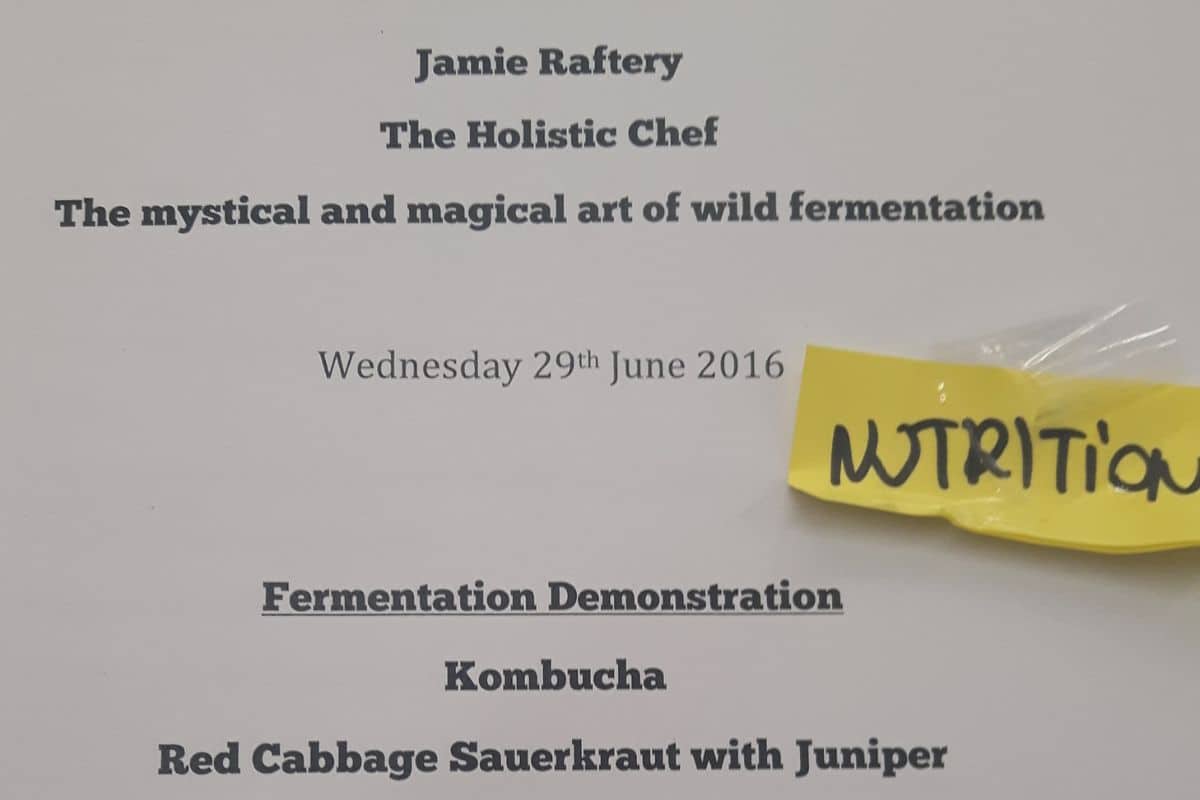
Another was kombucha. Ten years ago, many students had heard little or nothing about it, so it was always an interesting introduction to fermented drinks.
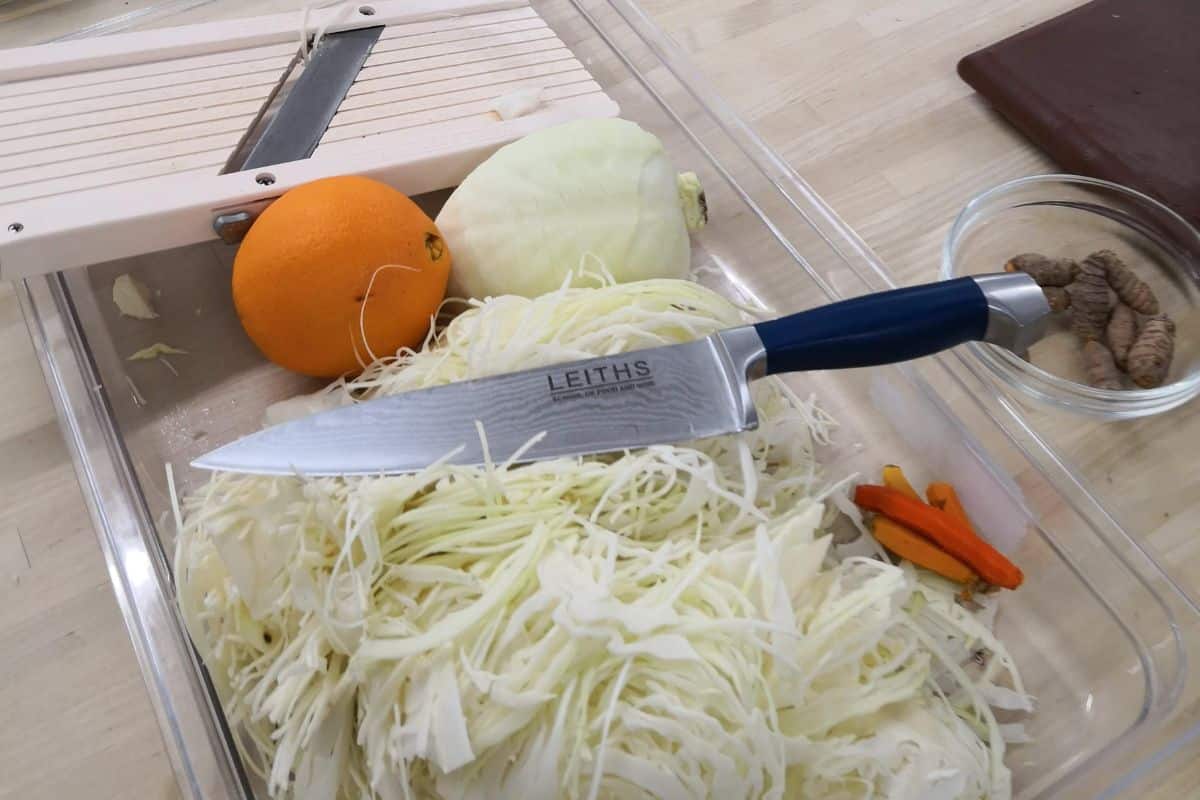
But one of the most memorable recipes was simple, classic sauerkraut.
There is something powerful about taking a humble cabbage, adding salt, massaging it by hand, drawing out the juices, and creating the right conditions for fermentation. It teaches patience, touch, transformation, and respect for simple ingredients.
For me, sauerkraut captured the essence of raw food and fermentation: taking something ordinary and, through technique and time, turning it into something more alive, flavourful, and nutritionally valuable.
Cabbage with superpowers, basically!
Making Nutrition Practical and Chef-Friendly
The nutrition theory on the course was taught separately by qualified nutrition professionals. My job in the kitchen was to make nutrition practical.
Nutrition can become very scientific and complex. In the kitchen, I kept the focus on ingredients, technique, flavour, and preparation.
My belief was simple: when you use fresh, seasonal, well-sourced ingredients, prepare them properly, and apply the right techniques, nutrition becomes part of the food rather than something forced onto it.
I wanted students to understand the techniques behind the recipes, not just copy the recipe once and forget it.
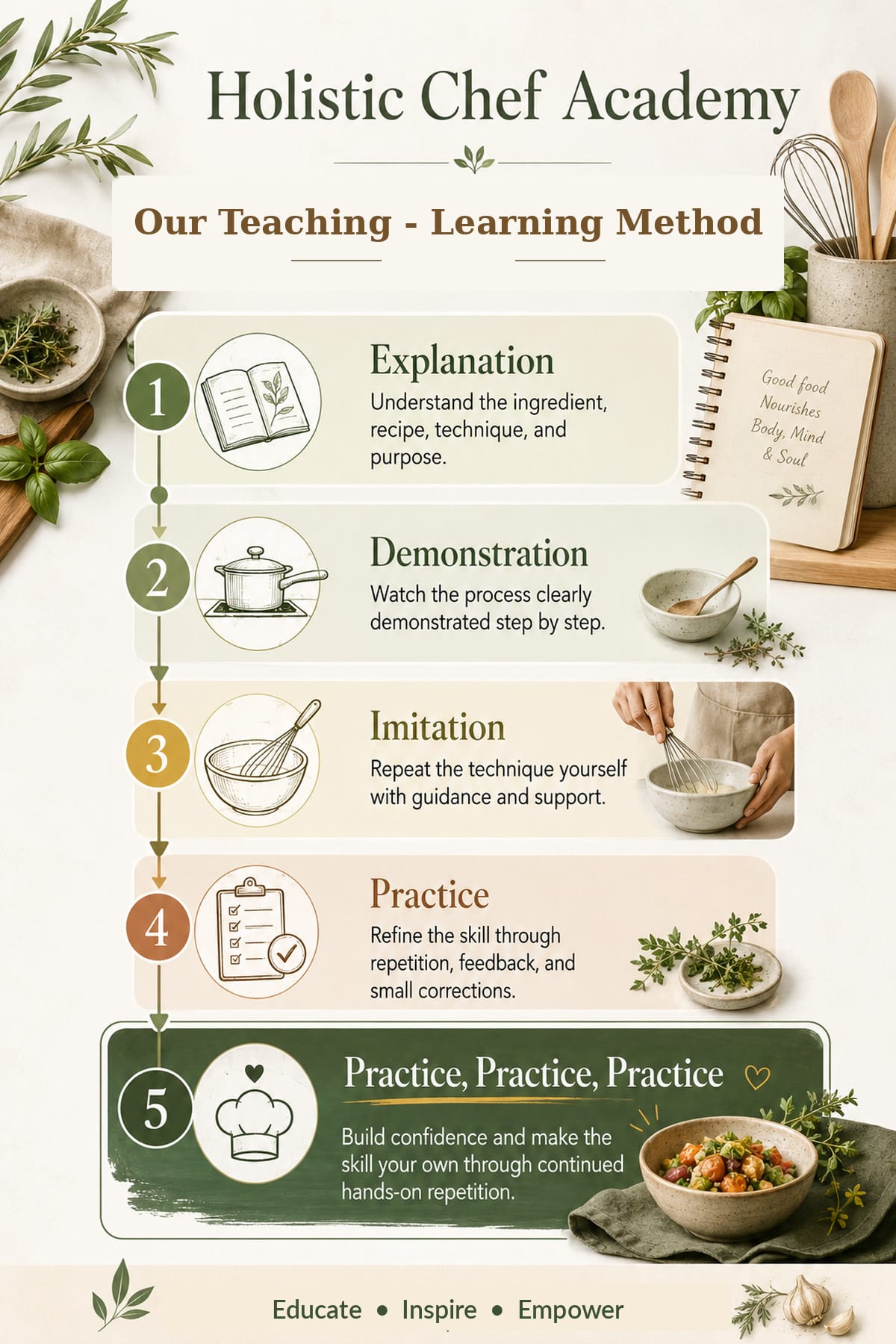
The teaching framework I developed was:
Explanation → Demonstration → Imitation → Practice, Practice, Practice
- First, I explained the ingredient, recipe, and technique.
- Then I demonstrated it clearly.
- Next, students imitated the process under guidance.
- Then they practised, made mistakes, asked questions, corrected their technique, and were encouraged to continue practising after the class.
That structure still influences how I teach today through Holistic Chef Academy.
Student Experience and Learning Outcomes
The feedback from students was consistently positive. Students often described the module as engaging, interesting, practical, well organised, and fun.
Many students said they gained a better understanding of fermentation and felt more confident trying it themselves at home or in their own professional kitchens.
I think the class stood out because it combined strong organisation with storytelling, practical demonstrations, hands-on cooking, tasting, and individual feedback. I also brought my own experience from professional kitchens, retreats, private chef work, and wellness cooking, which helped make the session feel grounded and real.
The course also created valuable professional connections.
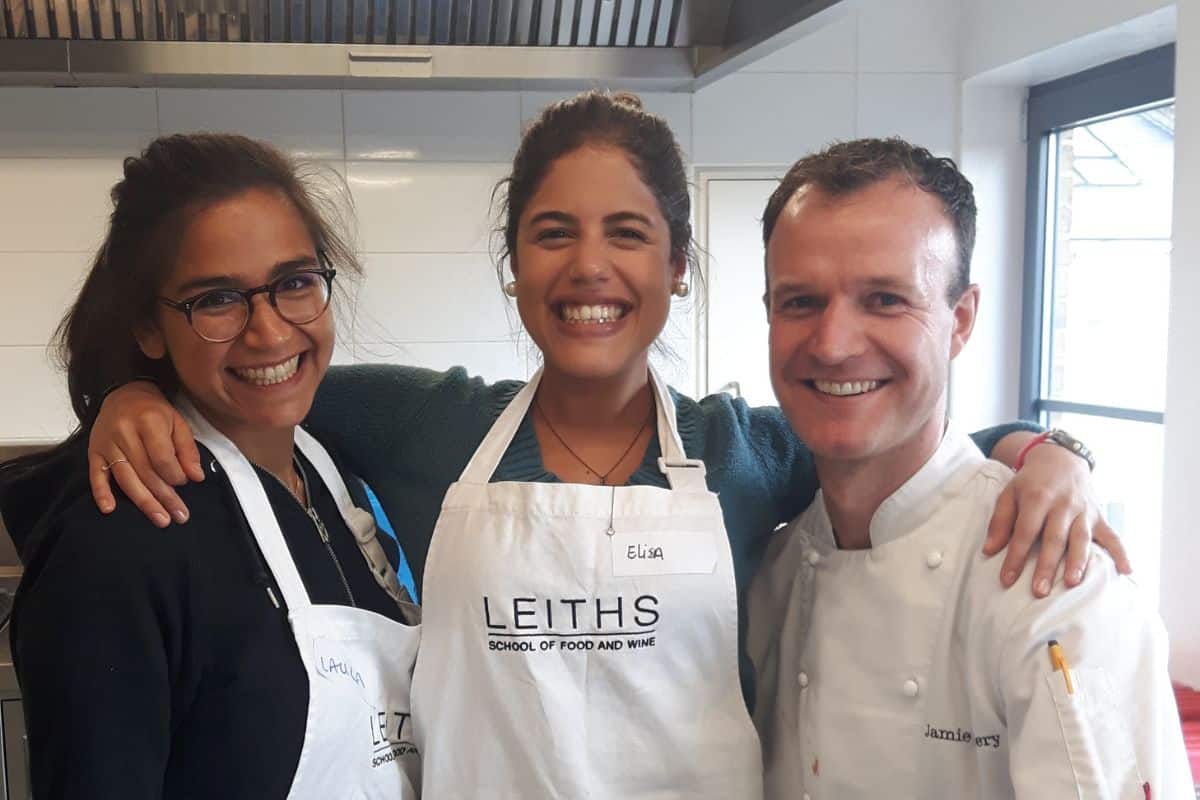
Through Leiths, I met Francesca Lovell, founder of Prestige Bootcamp, who later invited me to cook on health retreats in Portugal. That connection eventually led to a long-term professional relationship connected to The Sanctuary in Marbella, where I have cooked many times over the years.
Another memorable connection was Laura Mimoun, who attended one of the Leiths courses and shared her ambition to launch a rice paper roll fast food concept. She later went on to co-found Kaleido Rolls, a London-based food-to-go brand built around colourful rice paper rolls. Seeing students take their own food ideas forward successfully was one of the most rewarding parts of teaching in that environment.
So the Leiths experience became more than a teaching role. It became a platform for future retreat work, wellness hospitality, food business connections, and long-term collaborations.
Lessons I Took From Teaching at Leiths
Teaching at Leiths gave me space to develop as an educator.
Most of my career before that had been in professional kitchens, hotels, and restaurants. Teaching in those environments is very different. You are often training people while dealing with the pressure of service, timing, standards, and guests.
At Leiths, the environment was built for learning. There was time to explain, demonstrate, observe, encourage, and correct.
Around the same period, I was also in a strong phase of personal development. Public speaking had been one of my biggest fears, so I put myself in situations where I had to practise it. I did presenter training, took every opportunity to speak in front of people, and slowly built the skill.
I also started learning Lindy Hop dancing, which was another fear of mine. That experience was humbling because it reminded me what it feels like to be a complete beginner.
After years in professional kitchens, I had become highly skilled at cooking. But learning something completely new reminded me how much beginners rely on their teachers for support, encouragement, patience, and clear guidance.
That changed how I taught.
It helped me see things from the student's perspective. It made me more patient, more flexible, and more aware of how different people learn at different speeds.
One of the biggest lessons I took from Leiths was that good teaching is not about showing students how much you know. It is about creating the right conditions for students to feel confident, supported, and capable of learning.
How Teaching at Leiths Shaped Holistic Chef Academy
Teaching at Leiths had a major influence on the development of Holistic Chef Academy.
It gave me confidence, motivation, and encouragement to continue building the education side of the business. Education had always been part of my work, through training chefs, mentoring kitchen teams, and helping people improve their skills. But teaching at Leiths helped me realise how much I genuinely enjoyed it.
Out of all the work I was doing at the time - private cheffing, consulting, events, and workshops - teaching gave me one of the strongest feelings of satisfaction.
It also helped me understand how much planning and structure goes into a successful cookery class. A room of 20 students making several recipes can become chaotic very quickly if the session is not well designed. Good teaching requires organisation, flexibility, awareness, clear communication, and the ability to adapt in real time.
Those lessons now influence Holistic Chef Academy's approach to:
- In-person cookery workshops
- Retreat chef training
- Hotel and resort consultancy
- Wellness food education
- Future curriculum development
- Professional chef training
- Online course development
They also support the long-term vision for Tanglewood Farm Food Studio in Ireland.
In a world full of online recipes, short-form videos, and quick cooking content, I still believe hands-on culinary education matters. Online learning can support the journey, but it cannot fully replace being in a kitchen with a teacher.
Cooking is physical. You need to touch, taste, smell, observe, practise, make mistakes, ask questions, and receive feedback in real time.
That is the kind of learning environment we want to create through Holistic Chef Academy and Tanglewood Farm Food Studio.
Why This Leiths Cookery School Case Study Matters
Looking back, my time teaching at Leiths gives me great pride and satisfaction.
This was a successful three-year chapter where I taught hundreds of students, developed my teaching style, built lasting professional relationships, and strengthened my confidence as a culinary educator.
My time at Leiths came to a natural close in 2018 when I moved to Phuket, Thailand, to take on a new role at Thanyapura Sports Resort. That move opened another major chapter in my career, bringing together wellness cuisine, sports nutrition, resort operations, chef training, and international hospitality.
It also shows that Holistic Chef Academy has not appeared overnight. It has been developing for many years through real teaching, real kitchens, real students, real resorts, and real professional experience.
This Leiths Cookery School case study is part of that story.
It shows the roots of Holistic Chef Academy as a serious culinary education brand, built on practical teaching, wellness cooking, raw food, fermentation, nutrition-led cuisine, and the belief that food education should be hands-on, human, and deeply connected to the way we live.

Work With Holistic Chef Academy
Holistic Chef Academy supports students, chefs, retreat owners, hotels, resorts, and wellness businesses through practical culinary education.
If you would like to stay updated as new courses, workshops, and Tanglewood Farm Food Studio programmes become available, join the Holistic Chef Academy mailing list.
For hotels, retreats, and wellness businesses interested in bespoke culinary training, please get in touch.


Did you make this recipe? Let me know!