

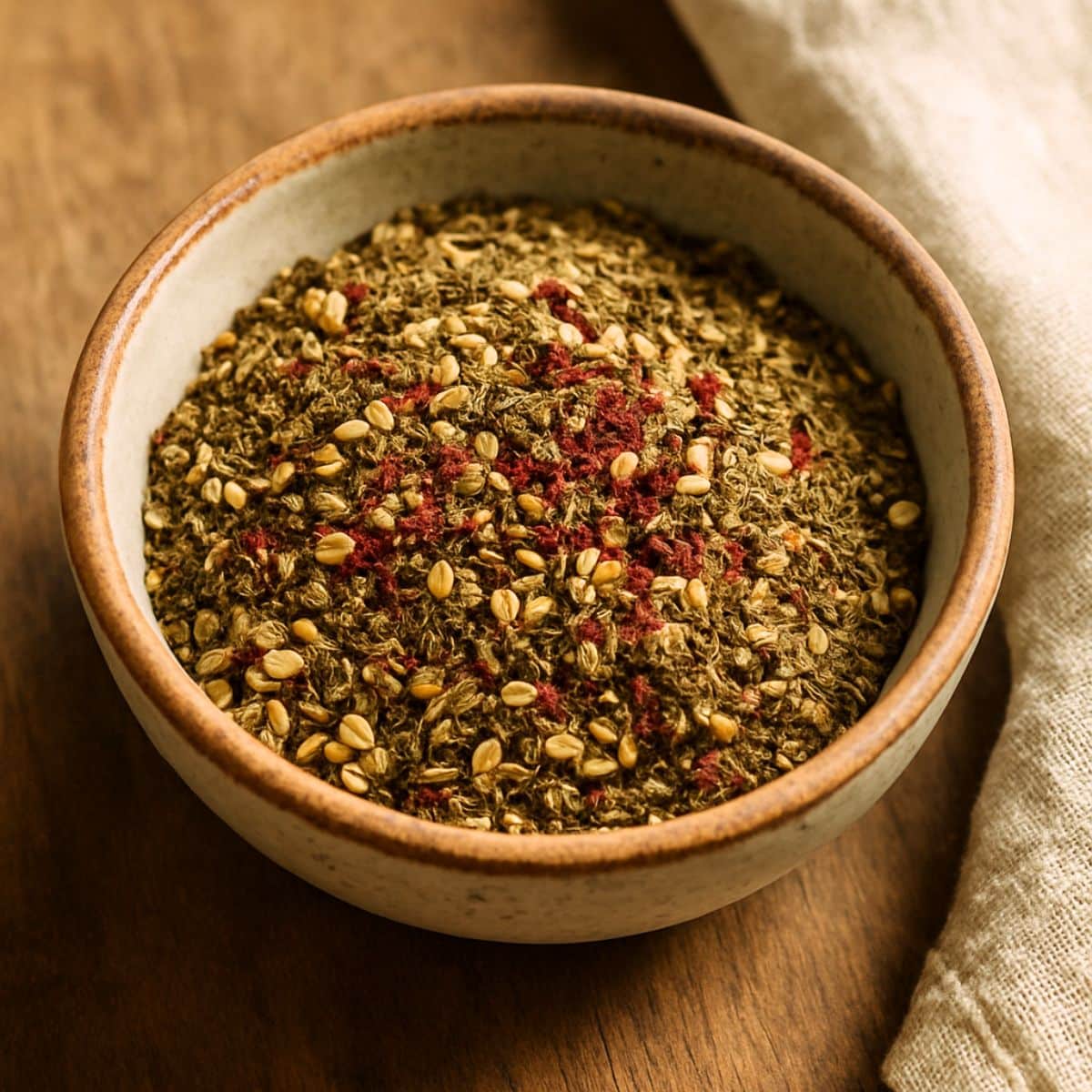
Za'atar Spice is a bright, herbal, tangy seasoning traditionally made from wild thyme, earthy sesame seeds, and the citrus burst of sumac. It's versatile, nutrient-rich, and endlessly useful - sprinkle it over salads, swirl it through hummus, rub it onto roasted veg, or toss it with olive oil for a quick marinade. Once you start using it, there's no going back!
Index
Jump to:
My Za'atar Spice Introduction
The first time I heard the word za'atar was back in 2009 while working at The French Laundry in California. Chef Thomas Keller had just returned from a culinary trip to Turkey, carrying a stash of this mysterious herb-and-sesame blend that none of us had really seen before. He was excited about it, which meant we were about to get very familiar with it.
We started adding za'atar to Middle Eastern-inspired tasting menu elements and even sprinkling it over staff family meals. Remember, this was before social media turned the world's pantry into a global shop window; regional ingredients like this weren't as widely known or accessible as they are today.
That early encounter stuck with me, and za'atar has been part of my cooking vocabulary ever since - simple, powerful, and endlessly useful.
Nutritional Content
- Sesame seeds deliver calcium, iron, and heart-healthy fats.
- Sumac is packed with antioxidants and anti-inflammatory compounds.
- Thyme + oregano support digestion and immunity.
- Zero fillers, zero oils, zero nonsense - just pure flavour.
Ingredients You Will Need
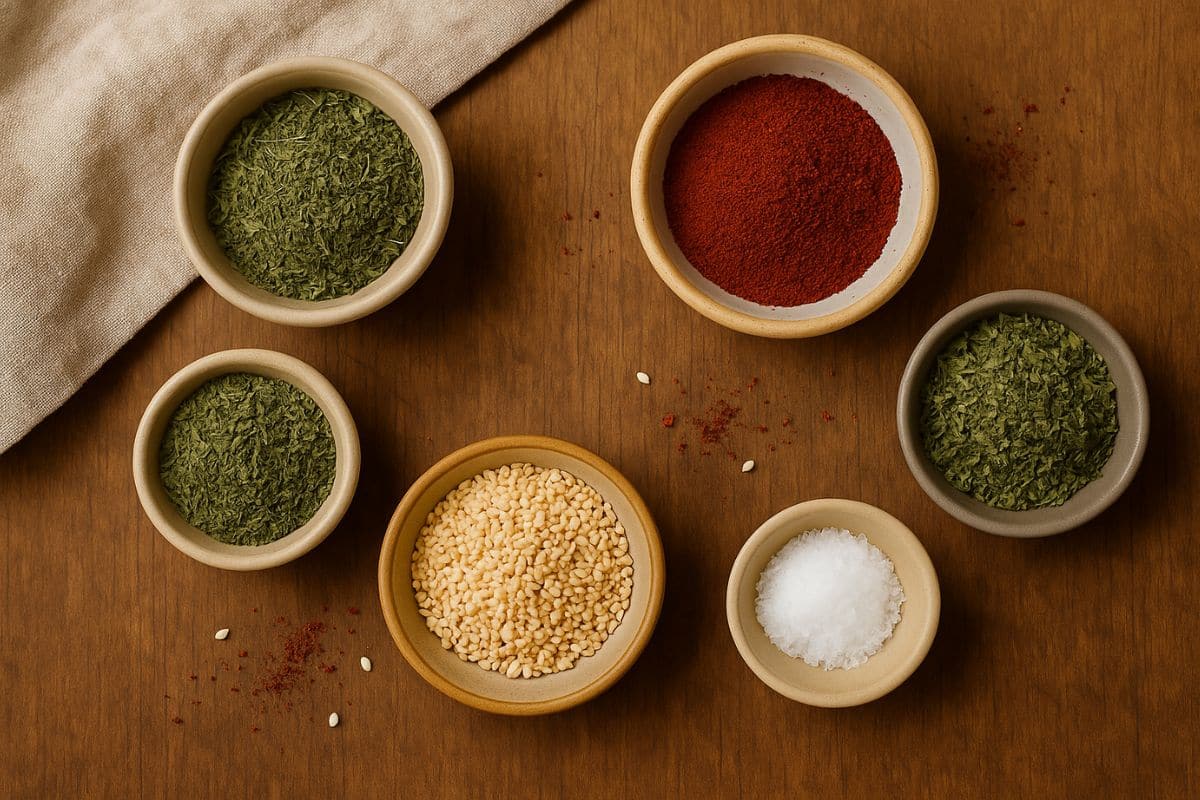
For one small jar (approx. 120 g):
- 30 g dried thyme
- 20 g dried oregano
- 20 g dried marjoram (optional but classic)
- 30 g toasted sesame seeds
- 20 g sumac
- 5 g fine sea salt (adjust to taste)
Equipment You Will Need
- Small dry frying pan (to toast sesame)
- Mixing bowl
- Mortar & pestle or spice grinder (optional for a finer texture)
- Airtight glass jar for storing
How to Make Za'atar Spice
- Toast the sesame seeds in a dry pan over low heat until lightly golden and fragrant. Cool completely.
- In a bowl, combine thyme, oregano, marjoram, sumac, sesame seeds, and sea salt.
- For a rustic texture, leave the herbs as they are. For a smoother blend, pulse 1-2 seconds in a spice grinder - don't over-blitz.
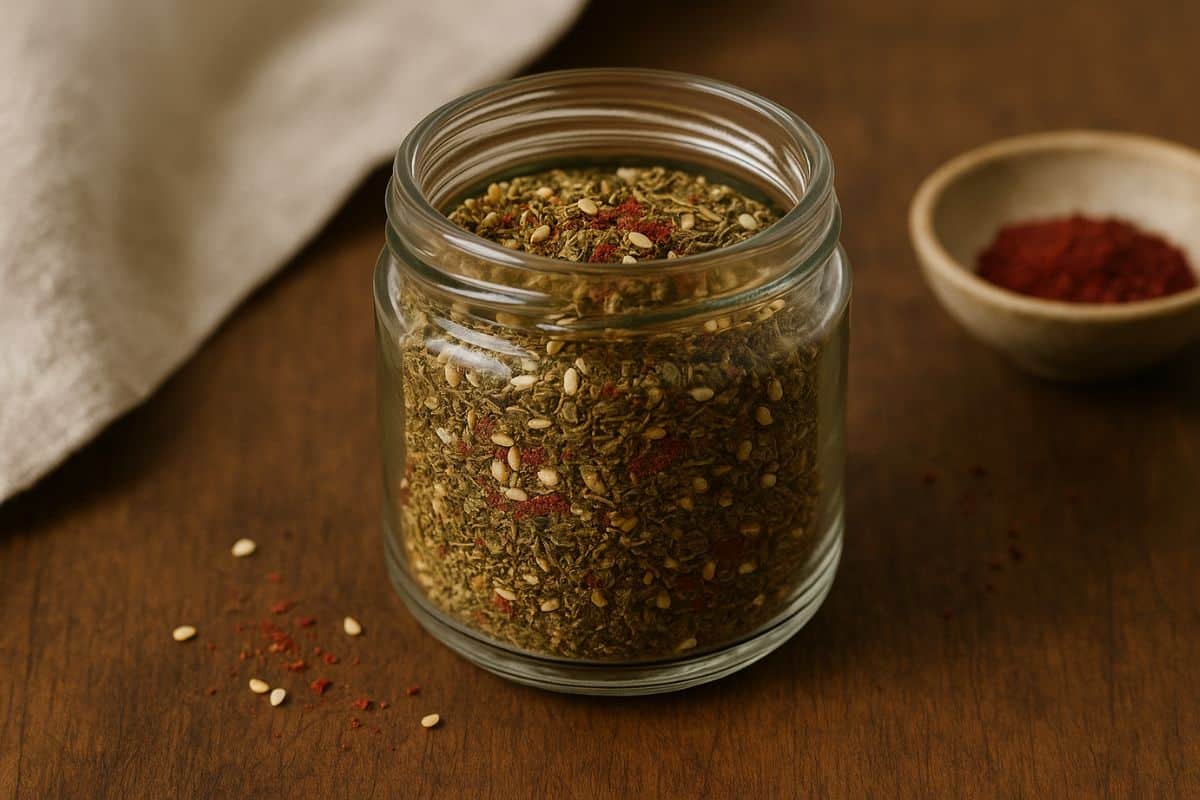
- Transfer to a clean jar and store in a cool, dark place.
What to Serve Za'atar Spice With
This blend is a workhorse; you'll find endless uses!
- Roast cauliflower or sweet potatoes
- Avocado toast or smashed chickpea toast
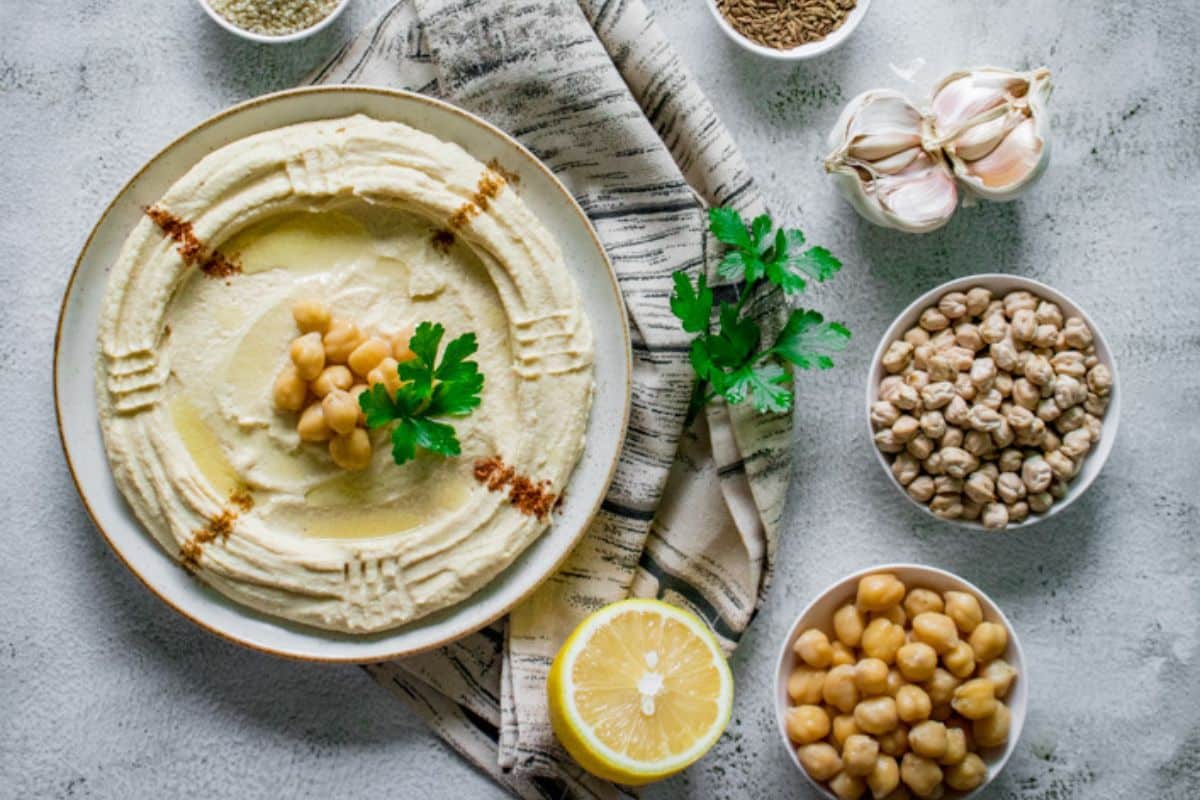
- Hummus, tahini, zhoug sauce, or cashew labneh
- Grain bowls (quinoa, bulgur, brown rice)
- Falafels
- Salad dressings
- Homemade flatbreads or focaccia
- Olive oil dip for crusty sourdough
How to Store the Spice Mix
- Store in an airtight jar
- Keep away from heat and direct sunlight
- Best used within 3-4 months for maximum aroma
- Shake the jar occasionally to redistribute the sesame
Meet Willow: Your Everyday Holistic Cooking Companion
Willow is our AI kitchen assistant who helps you cook well with less effort. She focuses on simple, wholesome, plant-forward meals using everyday ingredients - food that supports real energy, good digestion, and a calmer kitchen.
Willow can plan your weekly meals, use up leftovers, suggest healthy swaps, and give quick flavour ideas based on what you already have. She's practical, down-to-earth, and here to make healthy cooking easier for everyone.
FAQ
No, fresh herbs introduce moisture and dramatically shorten shelf life. Stick with dried.
You may have burnt the sesame seeds or used low-quality sumac. Toast lightly and use bright red, lemony sumac.
For authenticity, yes. But you can substitute with a micro-splash of lemon zest if needed.
Absolutely. Mix Za'atar + extra virgin olive oil → brush onto vegetables, flatbreads, or tofu.
More Recipes To Try
We hope you enjoy this delicious recipe. If you give it a try, let us know in the comments below - we love hearing your feedback and seeing your recreations.
📋 Recipe
Did you make this recipe? Let me know!