

Add these delicious and healthy vegan fats to your meals and create a well-rounded, wholesome plant-based diet. Read all about the different types of fats & find delicious wholesome recipes.
Jump to:
Eating fats does not make us fat!
Are you afraid of eating fat? Don't be! Even though low-fat diets have been the craze for a long time, experts agree that it's beneficial to consume healthy fat sources on a daily basis.
Fat isn't a diet enemy - this macronutrient is essential for maintaining good heart health, reducing inflammation, and maintaining optimal body function. Learn more about how to get your fill of vegan healthy fats from a variety of plant-based sources.
Fat is an essential part of any healthy and balanced diet; a moderate amount of fat in your diet can help you to absorb vitamins A, D, E, and K, as well as regulate hormone levels and blood pressure.
Fats uncovered
To make sure you're getting these benefits from your food, it helps to be clued up on what they offer, especially in understanding the different types of fat (saturated, monounsaturated, polyunsaturated, and trans).
While some people are unsure whether oil is good for you, it's clear that we need to consume healthy vegan fat sources - either from naturally processed or whole food plant-based foods.
Why do we need fats?
Dietary fat helps support many of our bodies' functions. Here are a few of the most important reasons to consume healthy fat:
- Provides energy and supports cell growth
- Lowers bad cholesterol and raises good cholesterol
- Reduces the potential risk of heart disease and inflammation
- Helps regulate blood pressure and blood clotting
- Supports brain development, mental health, and the maintenance of skin, hair, and nails
What happens if you do not get enough fat?
You may notice symptoms such as dry rashes, hair loss, a weaker immune system, and issues related to vitamin deficiencies. To help maintain good health, most of the fats you consume should be monounsaturated or polyunsaturated fats.
Types of fat
The quality of fat sources can differ widely, so we need to go over the different types of fats, and which are the best to include in your diet.
Saturated fat
Most sources of saturated fats are animal-based, so it's easy to keep intake low while following a vegan diet. There are a few sources of vegan saturated fat, like coconut oil, cacao, and palm oil. Still, these plant-based saturated fats do not contribute to unhealthy levels in the same way as animal sources do.
You do not need to avoid saturated fat altogether. In larger doses, it can negatively affect your cholesterol levels and put you at a potentially higher risk of developing heart disease. Replacing animal-based saturated fat with healthier plant-based fat sources (see our list below) may lower your risk of heart disease.
Trans fat
Trans fat is the type of fat that is the worst for your health. It can increase your risk for many health problems and is often found in fried and processed foods such as cakes, shortening, donuts, and pies.
Trans fats naturally occur in minimal amounts in some animal products. Artificial trans fats, on the other hand, are fats made by adding hydrogen to vegetable oil to solidify it.
Trans fats are dangerous for our health, increasing bad cholesterol and heart disease risks. The FDA currently bans trans fats in American food products, and many other countries around the world are following suit.
Monounsaturated fat
Monounsaturated fats are one type of "unsaturated fat" and are abundant in olive oil, sunflower oil, avocadoes, and many nuts.
They are health-promoting and should be used to replace saturated fats.
Polyunsaturated fat
The other group of "unsaturated fat," polyunsaturated fat, is also preferable and has a beneficial effect on your heart when eaten in moderation.
The two main types of PUFAs are omega-3 and omega-6, both of which are considered "essential" - meaning we need to obtain them from our food.
Find excellent sources of these essential fatty acids in the following list!
Healthy vegan fat sources
Nuts
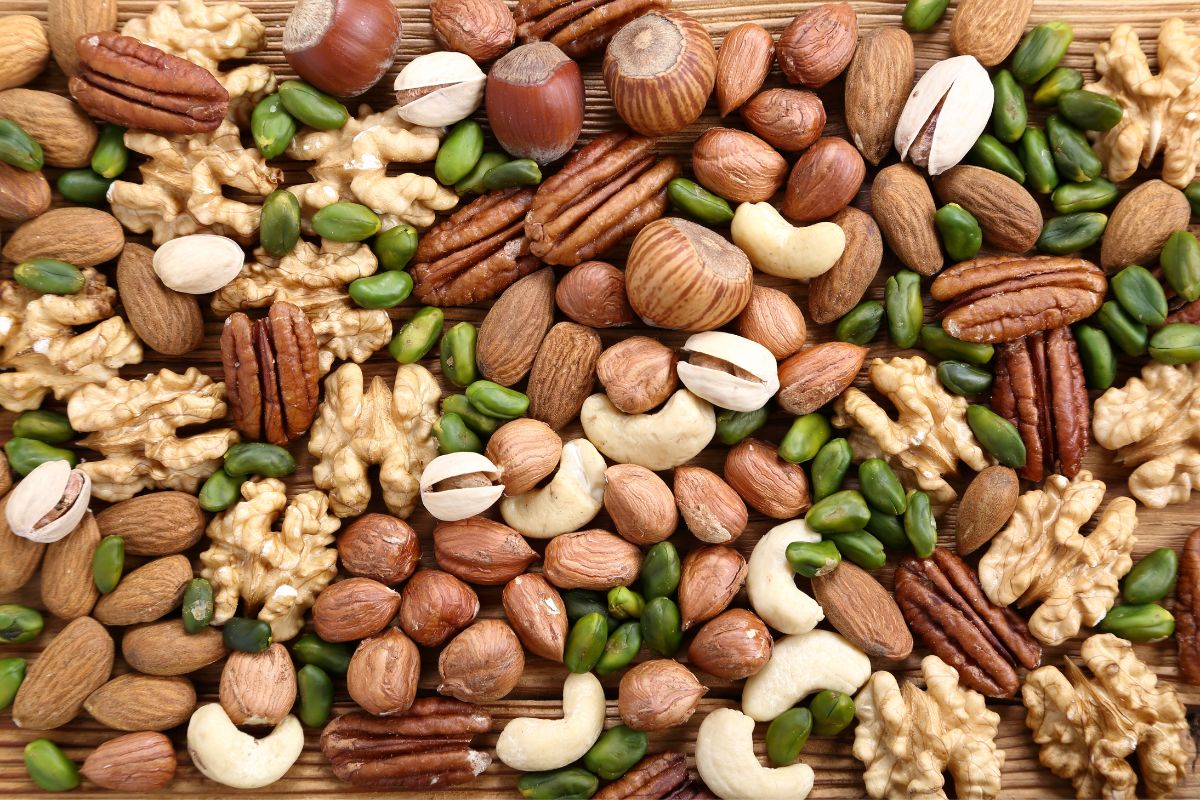
Nuts are really crunchy, nutrient-dense, and offer a good amount of fiber, plant-based protein, and unsaturated fats.
Some nuts deserve a special mention as they are particularly good for you!
- Walnuts (omega-3)
- Almonds (vitamin E)
- Brazil nuts (selenium)
- Pecans (manganese)
- Peanuts (vitamin B3 & protein)
Seeds
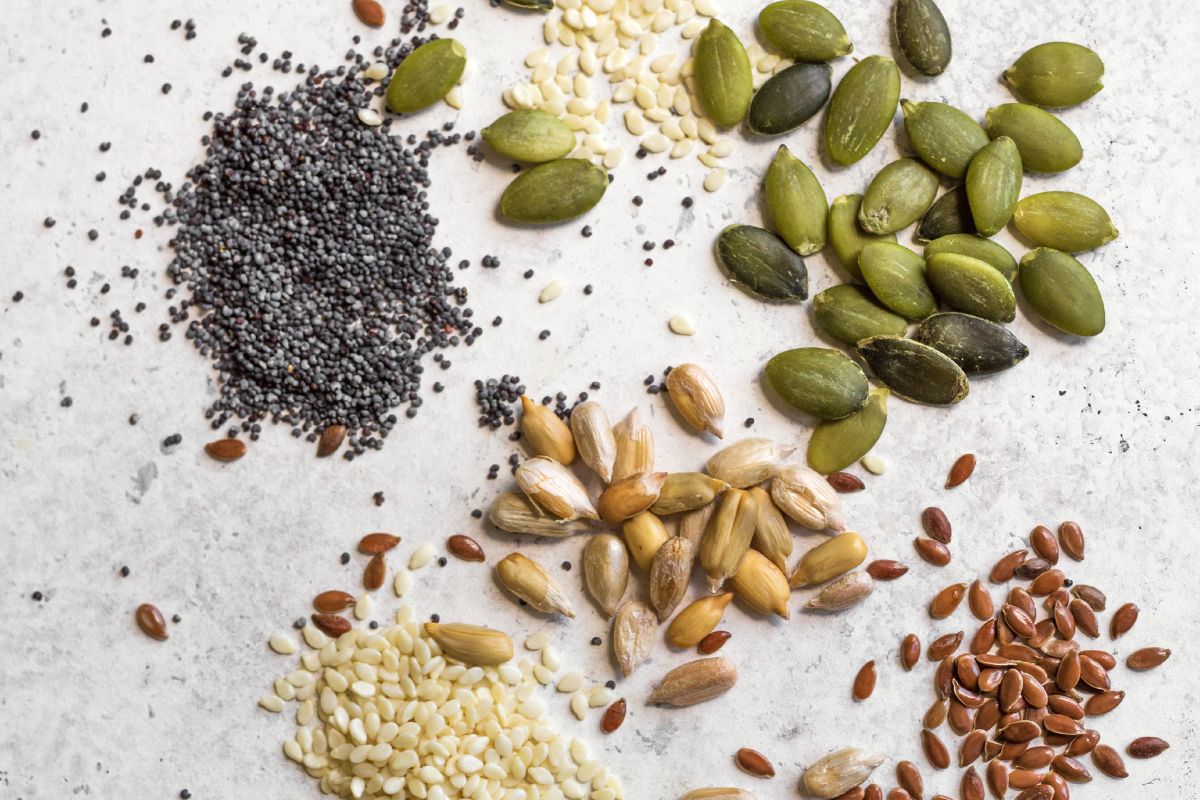
Seeds are arguably even healthier than the popular walnuts, almonds, or peanuts because they are packed with potentially critical nutrients for vegans (and other eaters.)
The same is true for seed butter made from sesame seeds, pumpkin, or sunflower seeds.
Full of monounsaturated fats, polyunsaturated fats, fiber, vitamins, minerals, and antioxidants, you can enjoy seeds and seed butter in various ways.
Some seeds deserve a special mention as they are particularly good for you!
- Flax seeds (omega-3)
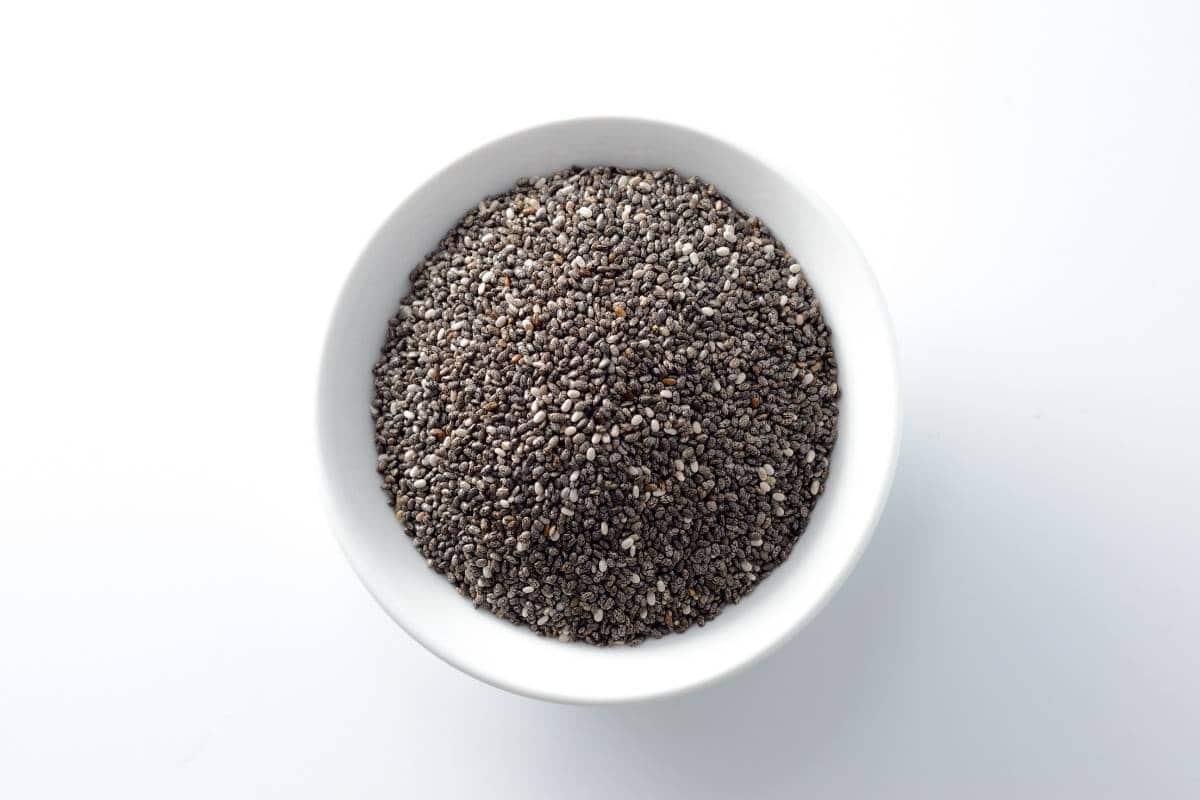
- Chia seeds (omega-3)
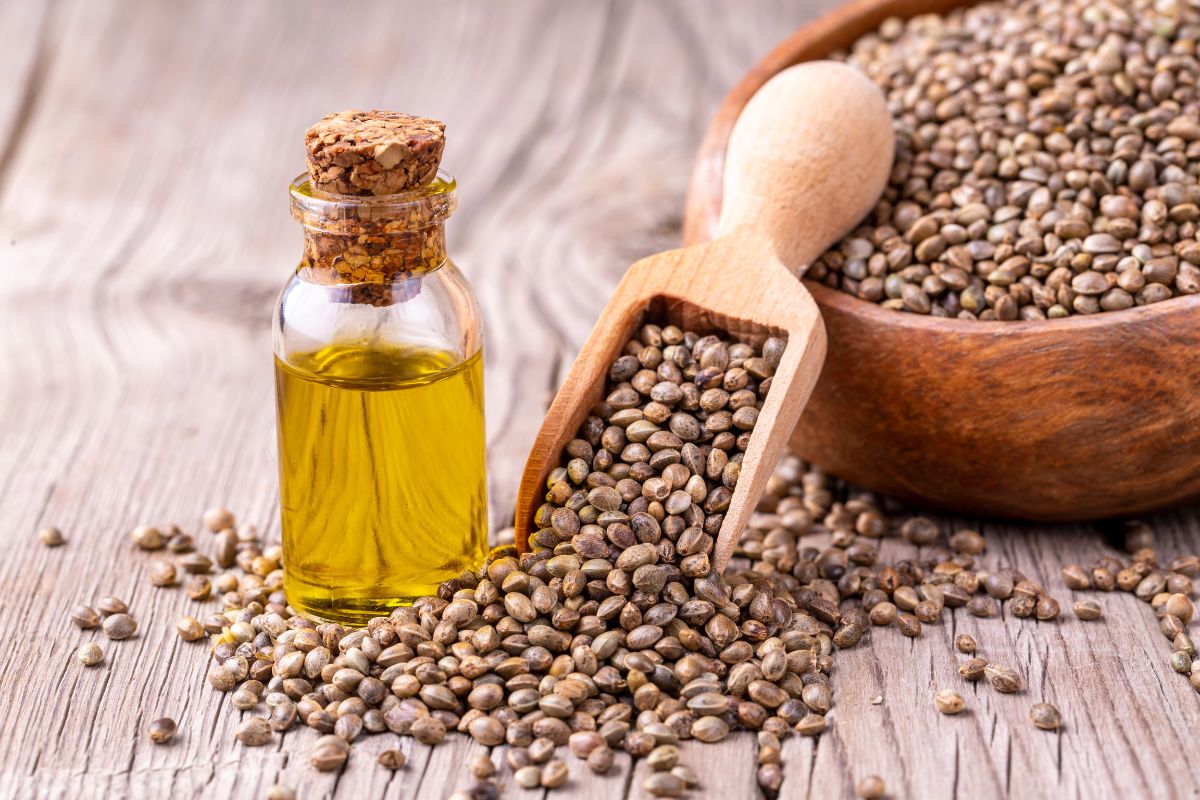
- Hemp seeds (omega-3)
- Pumpkin seeds (zinc)
- Sesame seeds (calcium)
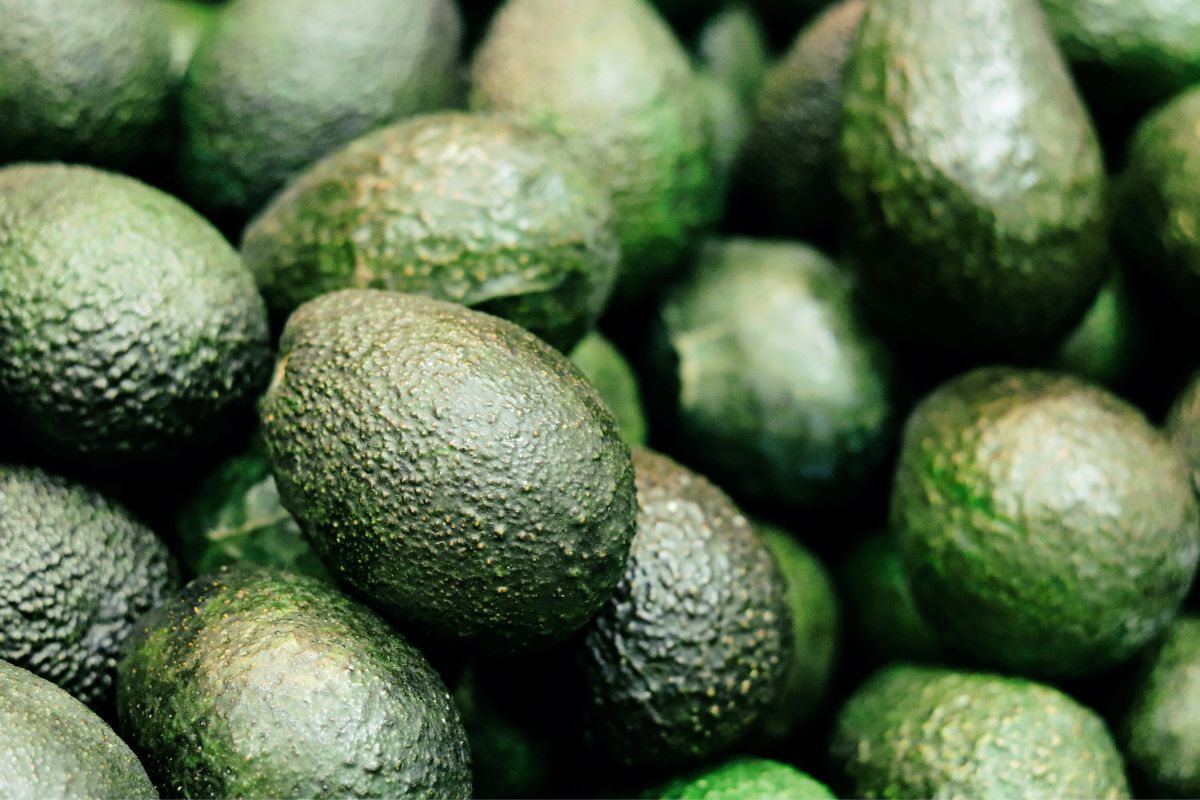
Avocado
Native to Mexico and Central America, avocadoes are enjoyed in almost every country worldwide.
While some environmentally conscious people try not to eat them too often, they are a fantastic source of healthy fats, vitamin E & K, folate, and fiber.
Compared to other higher-fat foods, they are not as high in calories.
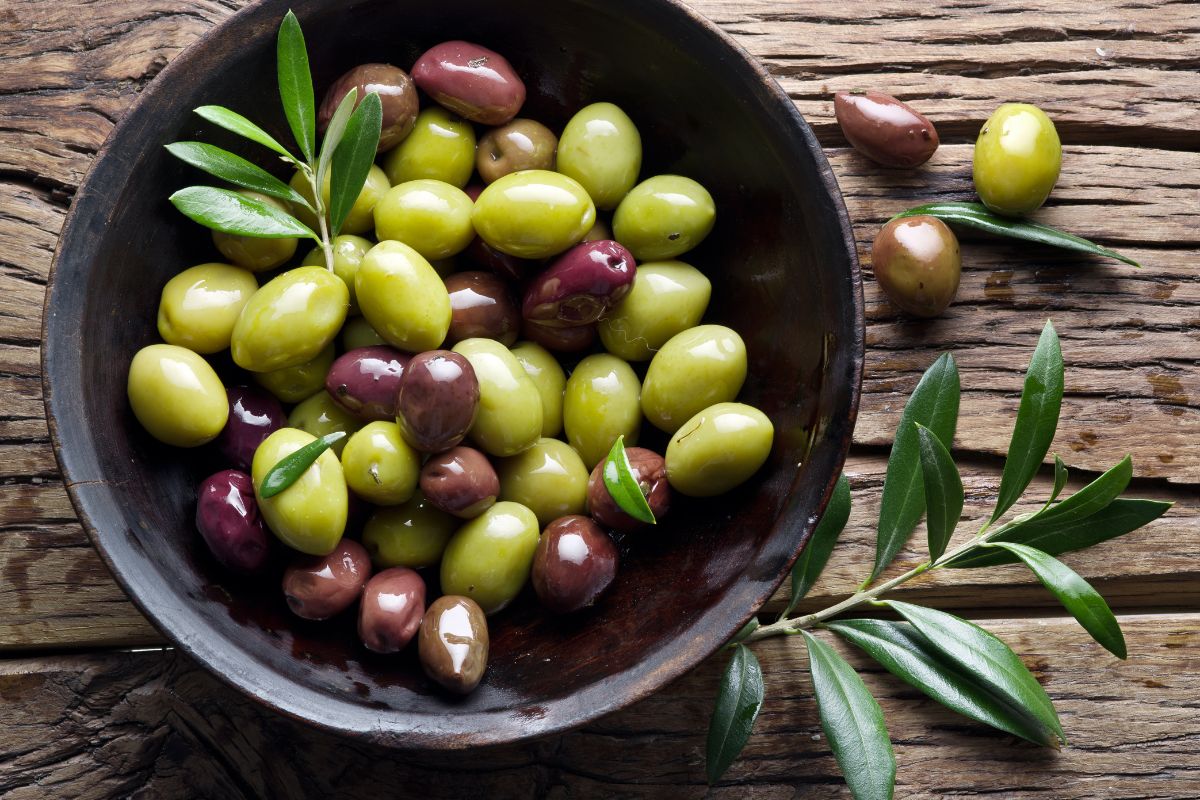
Olives
Like avocados, olives are actually a fruit with lots of antioxidants, fiber, and vitamin E. Olives contain 11-15% fat, most of which is monounsaturated.
An essential component of Mediterranean cooking, they are often enjoyed in salads, sandwiches, pasta, or tapenades.
Olives are typically high in salt because they are cured or packaged in a brine, so enjoy them in smaller amounts.
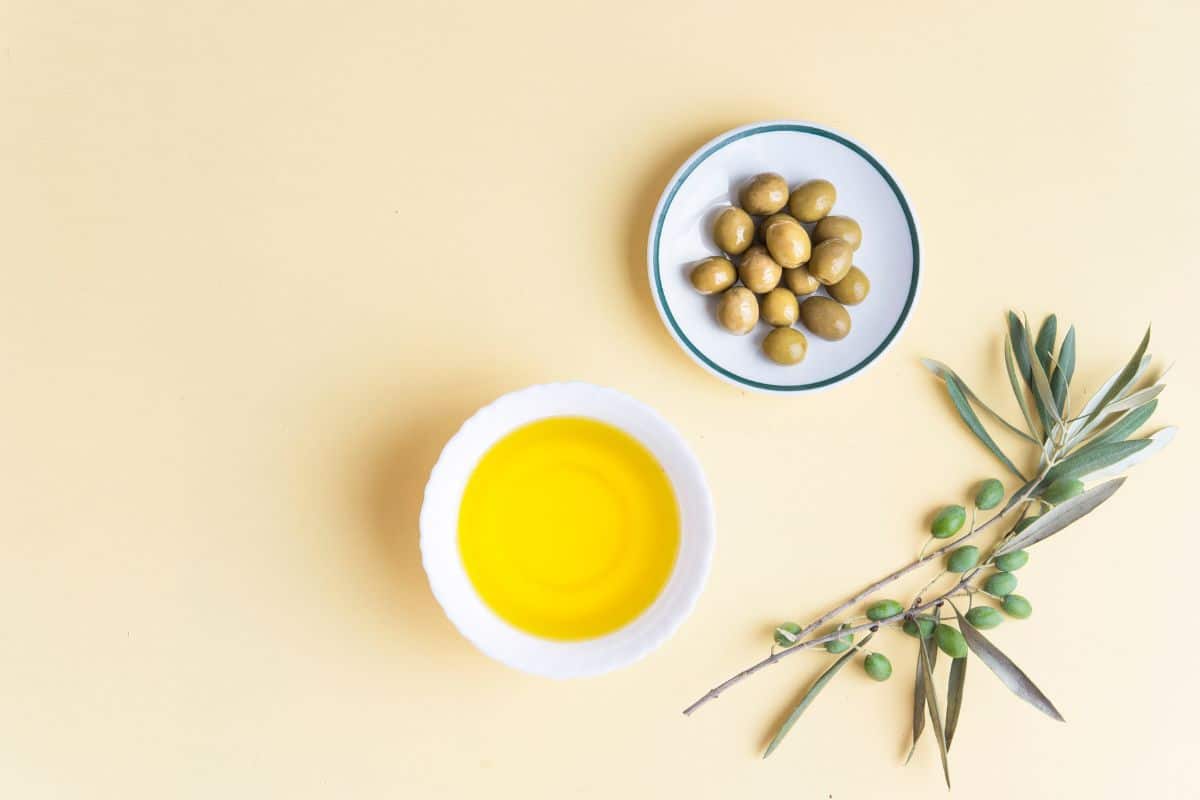
Olive oil
Extra-virgin olive oil is made from pure, cold-pressed olives, and therefore also high in unsaturated fat.
Regular olive oil is also considered healthy and can be used for lower-temperature cooking or salad dressings.
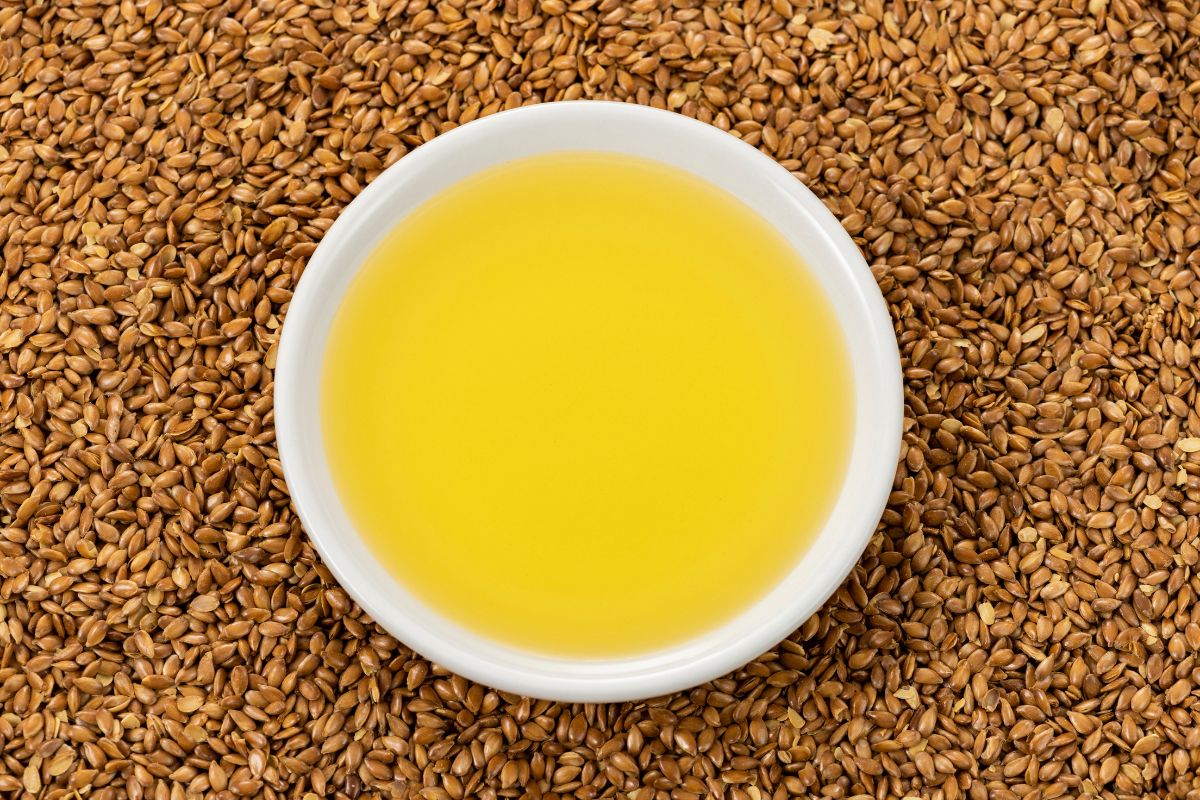
Flaxseed oil
Flaxseed oil is made from ground and pressed flax seeds and is high in omega-3s and health-promoting lignans.
It may improve heart and gut health but should only be consumed raw in cold dishes and stored in the fridge.
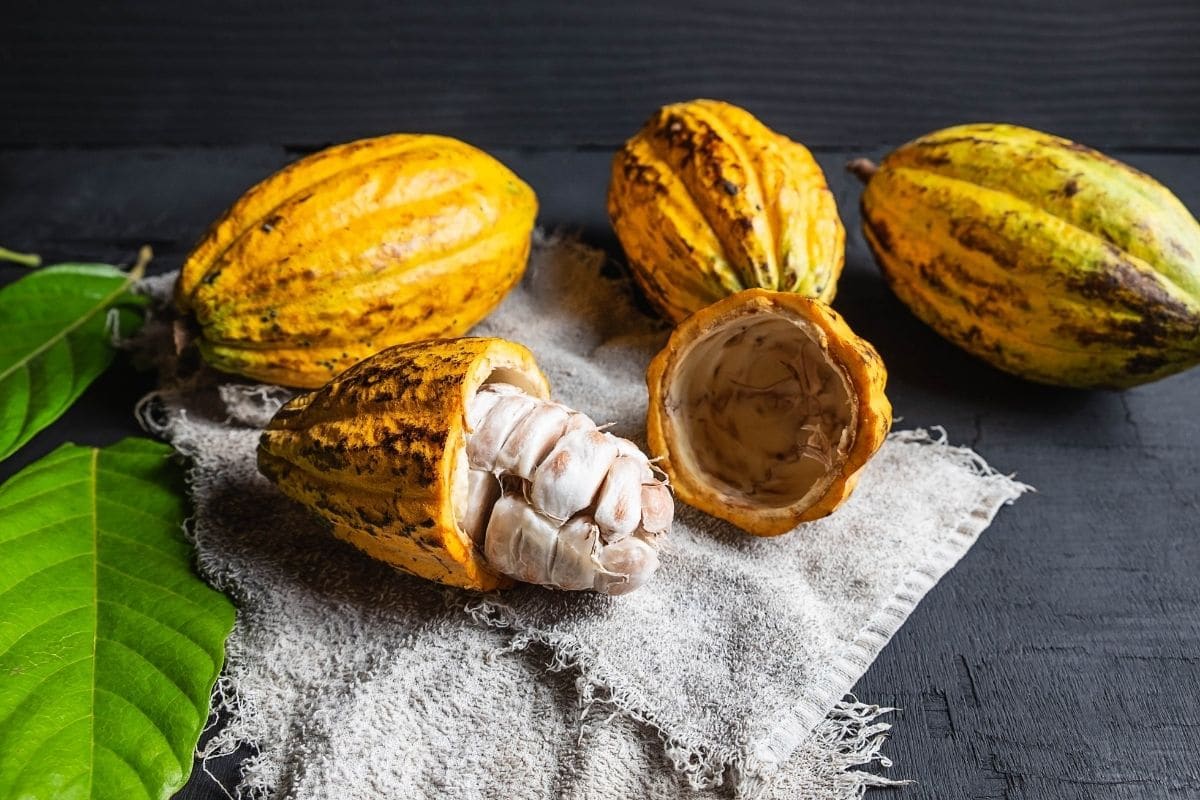
Dark chocolate, cacao nibs & cocoa powder
Do you love reading good news about chocolate?
Adding cocoa powder to smoothies or oats isn't just delicious, but it can also bump up your daily mineral intake.
If you love snacking on dark chocolate (70-85% of cocoa), you can get fiber, iron, magnesium, copper, and manganese with each bite!
However, this shouldn't be your primary source of essential nutrients because the calories add up quickly.
Renowned as an up-and-coming health food, alongside representing a rich source of plant-based iron, they're high in antioxidants and are almost 50% healthy unsaturated fat, cacao nibs are little bits of heaven.
They're usually ground down to a paste with sugar (and occasionally milk) to make chocolate bars, but they can actually be eaten as they are. As you can expect, they don't have the same flavor as your favorite plant-based chocolate - they're stronger, with a bitter tone.
Coconuts
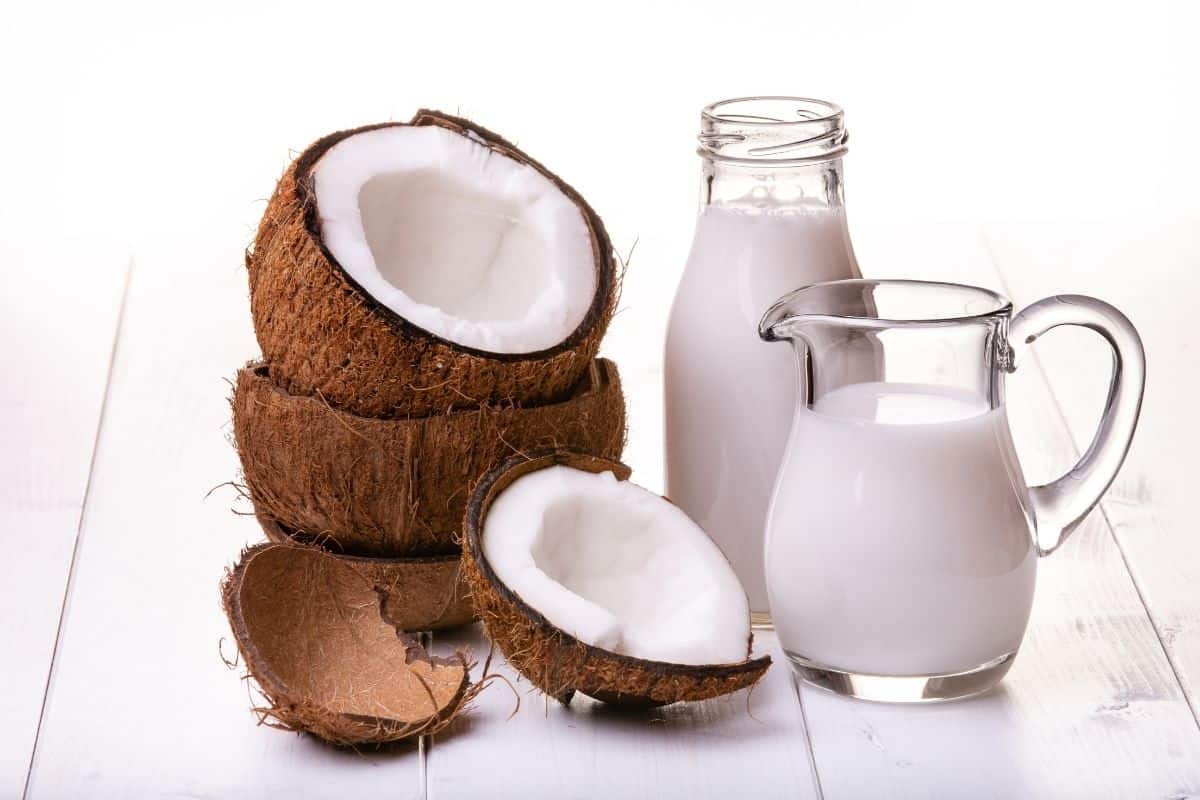
Coconut products range from coconut meat and flakes to coconut milk, oil, and water.
While coconut oil is really high in saturated fats and shouldn't be used in larger amounts, coconut meat contains fiber, manganese, copper, and some iron.
It is lower in fat than coconut oil and can be used to make vegan bacon, added to curry, baked goods, smoothies, or porridge.
Soy
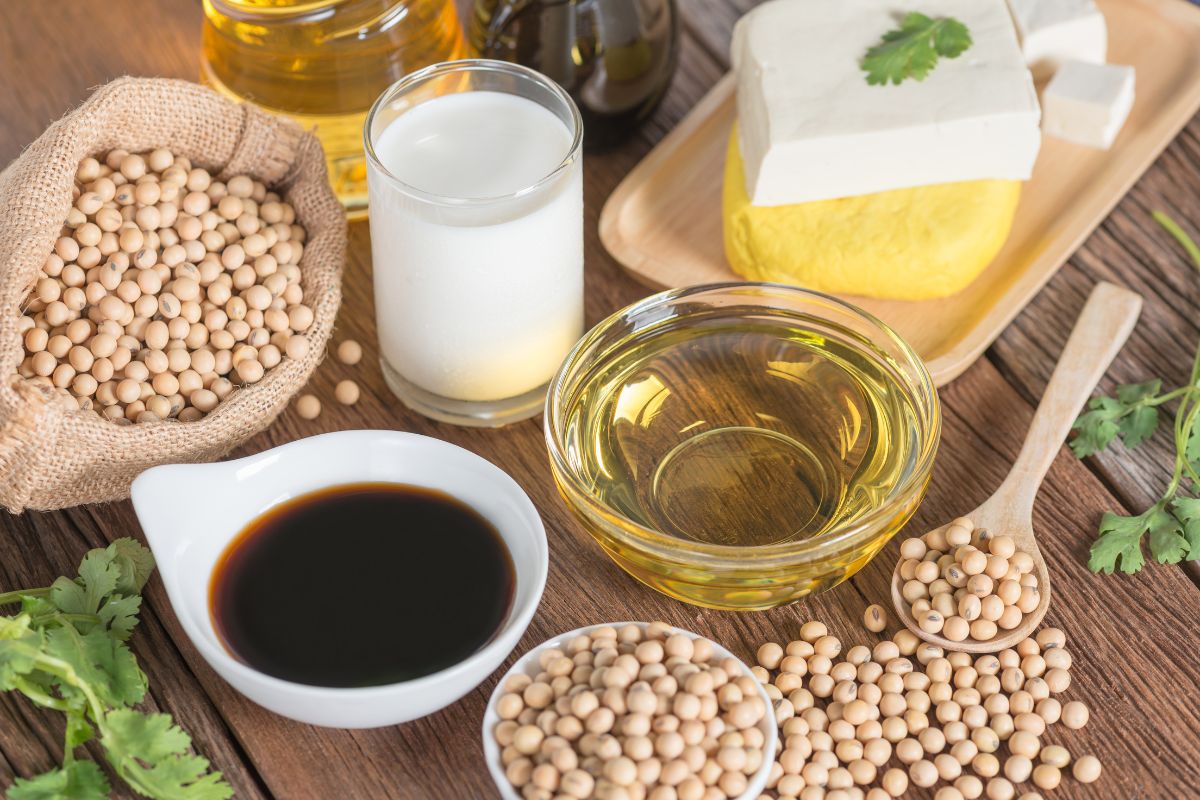
You might be surprised to read that tofu, tempeh and other soy products are a good source of fat!
While most other legumes like black beans, chickpeas, or lentils are pretty low in fat, it's a different story for soy.
I love soy because it's super versatile and incredibly nutritious.
100 grams offer 17 grams of protein and 9 grams of fat - most of which are unsaturated. Soy products are often a good source of calcium, too.

Oats, buckwheat & quinoa
These items might surprise you, but some grains aren't just full of complex carbohydrates; they also have decent amounts of plant-based protein and healthy fats!
Primarily, they are excellent sources of fiber and perfect for people on a gluten-free diet. They can also slow your fat absorption while providing around 17% of their calories from mostly omega-6 fatty acids.
Try our buckwheat kasha or quinoa porridge recipes.
Durian
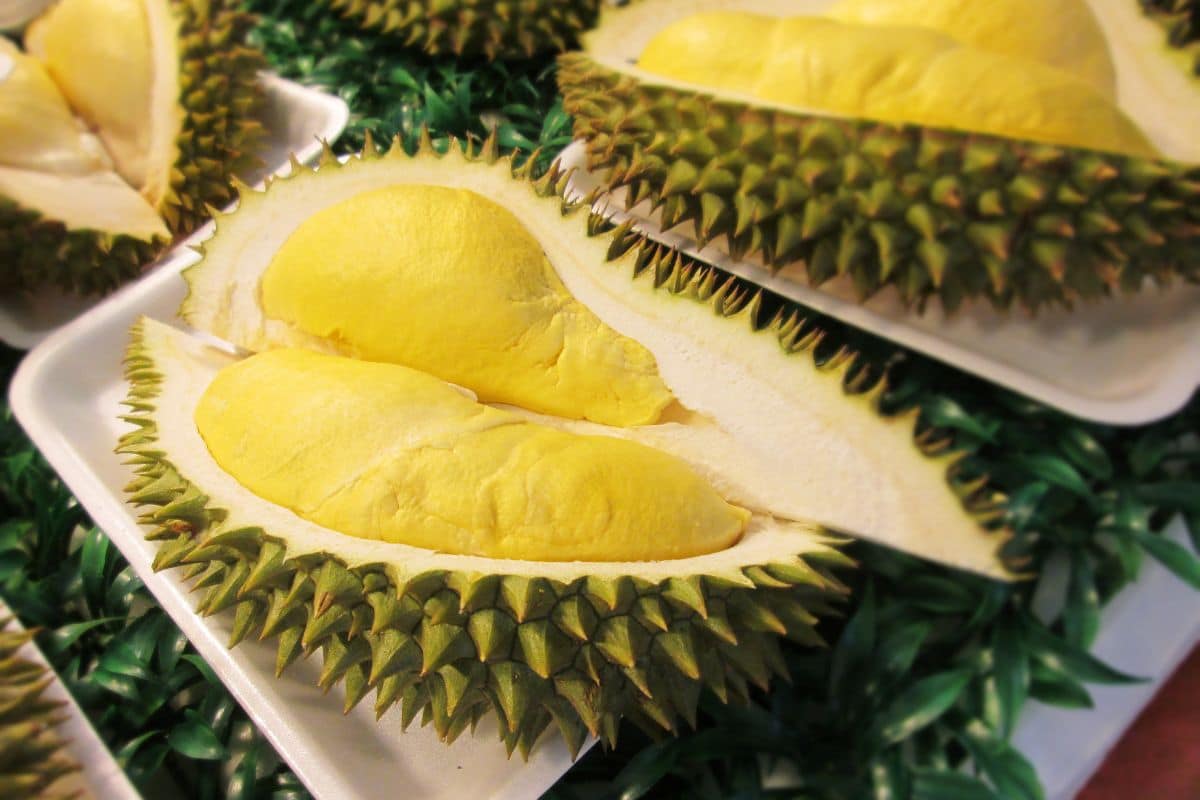
This unique tropical fruit native to Southeast Asia is high in nutrients (including fat!) and features a strong smell.
You can find it in Asian supermarkets and add it to soups or use it to make desserts!
Vegan Foods Highest in Fat Per 100 Grams
This table below contains 25 high-fat vegan foods from highest to lowest per 100-gram serving:
| Food | Energy (kcal) | Total Fat (g) |
|---|---|---|
| Macadamia nut | 717.9 | 75.8 |
| Pecans | 690.9 | 72.0 |
| Pine nuts | 672.6 | 68.4 |
| Brazil nut | 658.6 | 67.1 |
| Walnut | 654.7 | 65.2 |
| Hazelnut | 628.1 | 60.8 |
| Sunflower seeds | 584.3 | 51.5 |
| Almonds | 579.6 | 49.9 |
| Sesame seeds | 573.6 | 49.7 |
| Peanuts | 567.1 | 49.2 |
| Hemp seeds | 553.3 | 48.7 |
| Cashew | 573.7 | 46.4 |
| Pistachio nuts | 559.3 | 45.3 |
| Flaxseed | 534.0 | 42.1 |
| Coconut meat | 353.7 | 33.5 |
| Chia seeds | 486.7 | 30.7 |
| Pumpkin seeds | 445.3 | 19.4 |
| Avocado | 166.9 | 15.4 |
| Olive | 118.8 | 10.9 |
| Seaweed (dried) | 285.7 | 7.7 |
| Oats | 389.1 | 6.9 |
| Soybeans | 141.1 | 6.4 |
| Durian | 146.8 | 5.3 |
| Buckwheat groats | 345.7 | 2.7 |
| Chickpeas | 164.0 | 2.6 |
| Chestnut | 244.8 | 2.2 |
| Wheat flour (whole-grain) | 332.0 | 2.0 |
| Quinoa | 120.0 | 1.9 |
| Vital wheat gluten | 370.0 | 1.9 |
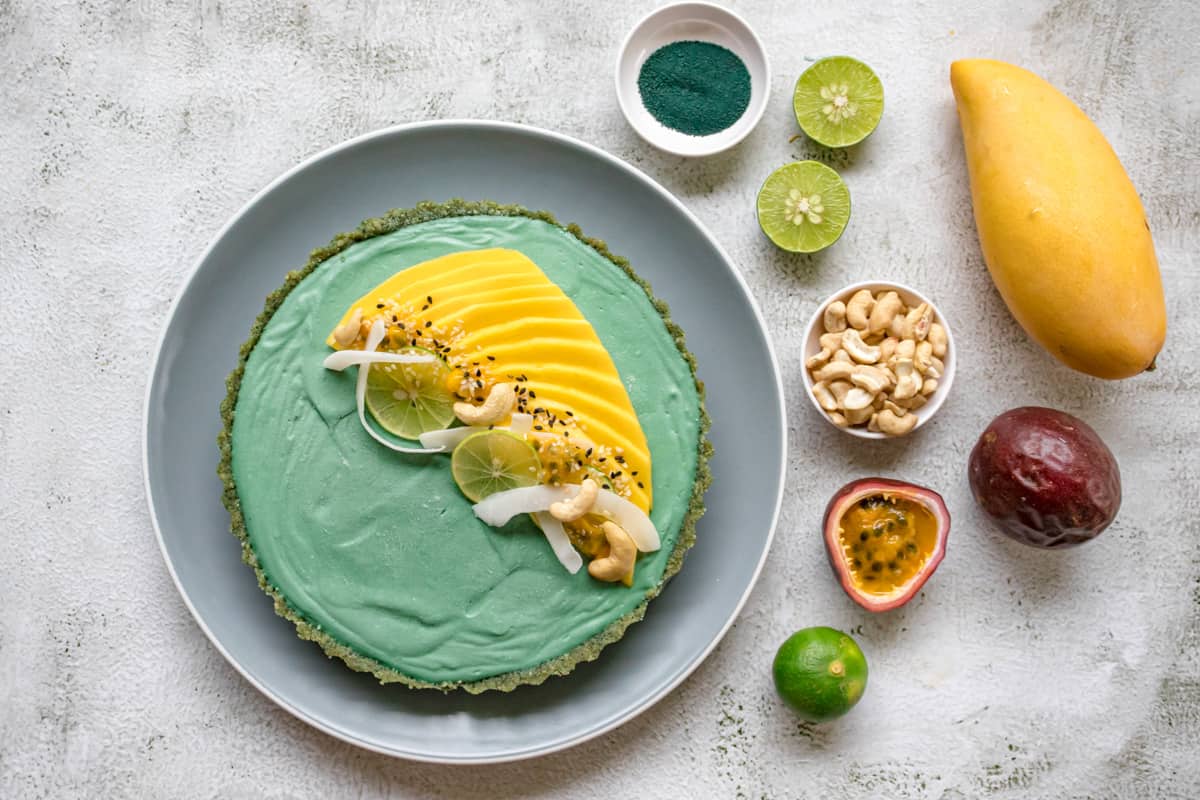
Holistic Chef Academy recipes with healthy vegan fats
- Key Lime Pie Cheesecake
- Chocolate Chia Seed Pudding
- Black Sesame Milk
- Walnut Milk
- Chickpea Hummus
- Life-Changing Bread
Vegan Fat FAQ
You should be able to get all the healthy fats you need from eating a varied, vegan diet, including ground flaxseed, hempseed, rapeseed oil for cooking, and some nuts, especially walnuts and various seeds.
Current recommendations support a wide range of fat intakes for good health, anywhere from 20 to 35 percent of daily calories. (This translates to 22 to 39 grams of fat for every 1,000 calories you eat.)
Omega-3 fatty acids are readily available in a wide variety of plant foods. Sources include walnuts, flaxseeds, chia seeds, hemp seeds, edamame, seaweed, and algae. Other green leafy vegetables and beans also contain small amounts.
Symptoms of omega-3 fatty acid deficiency include fatigue, poor memory, dry skin, heart problems, mood swings or depression, and poor circulation. It is important to have the proper ratio of omega-3 and omega-6 (another essential fatty acid) in the diet.
If you are concerned, this is a simple guide to optimize your balance of omega fats:
Avoid vegetable oils high in omega-6 (and the processed foods that contain them).
Eat plenty of omega-3-rich ingredients included in this blog post
The nice thing about plant-based fats is that you won't find any trans fats, which are the only ones definitively proven to be unhealthy, even in small amounts.
Saturated fats are a bit more controversial, but there are only a small number of vegan saturated fat sources:
Erik R says
Fantastic Healthy Fats learning,
Well done ✅👍